Bond basics guide
23 October 2025
2 min read
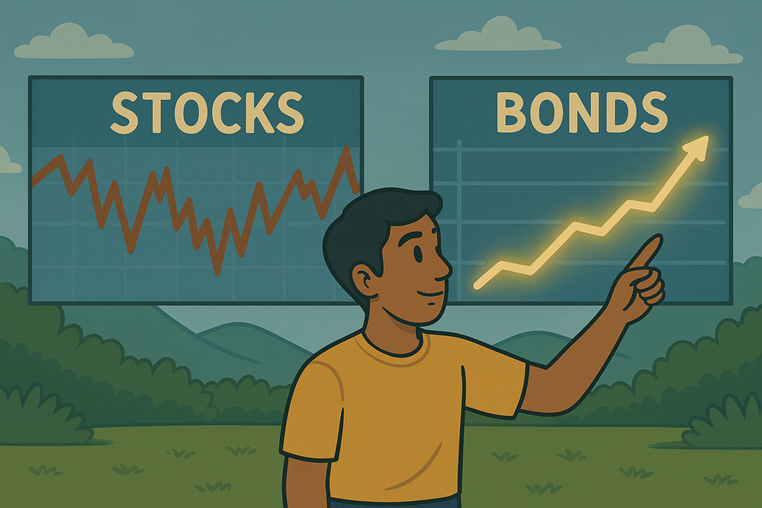
When you buy a bond, you’re not owning a company; you’re lending money to one. Think of it like this: stocks make you a part-owner, but bonds make you a lender. And just like any loan, you earn interest in return. Bonds are a key part of a balanced portfolio, especially when you want less drama from market ups and downs.
What is a bond?
- A bond is a loan you give to a company or government.
- In return, they pay you interest (called a coupon) at regular intervals.
- At the end of the bond’s term, you get back the original amount you ‘loaned’ (called the principal).
Types of bonds you’ll see in Singapore:
- Singapore Savings Bonds (SSBs):
- Low-risk, backed by the Singapore government
- Pay interest every 6 months for up to 10 years
- Capital is guaranteed, so you won’t lose money
- Corporate bonds:
- Issued by companies (e.g., banks, property firms)
- Higher interest than SSBs, but more risk if the company struggles
- Bond ETFs or Unit Trusts:
- Spread your money across many bonds in one go
- Easier to access for beginners via robo-advisors or RSPs
Bond-terms
A bond term is how long the bond lasts. Basically, how long the borrower (like a company or government) keeps your money before paying you back in full.
- Short-term bonds (1-3 years): Lower returns, but you get your money back sooner.
- Medium-term bonds (4-10 years): A balance between return and flexibility.
- Long-term bonds (10-30 years): Higher interest, but your money is tied up longer.
Why bonds matter in your portfolio:
- They offer stable returns and lower volatility compared to stocks
- Good for balancing risk, especially during market downturns
- Helpful for short-term goals or income-focused investing
For more information on bonds and whether they’re suitable for you, visit https://www.moneysense.gov.sg/understanding-bonds/.

Was this helpful?
Leave a feedbackRelated articles
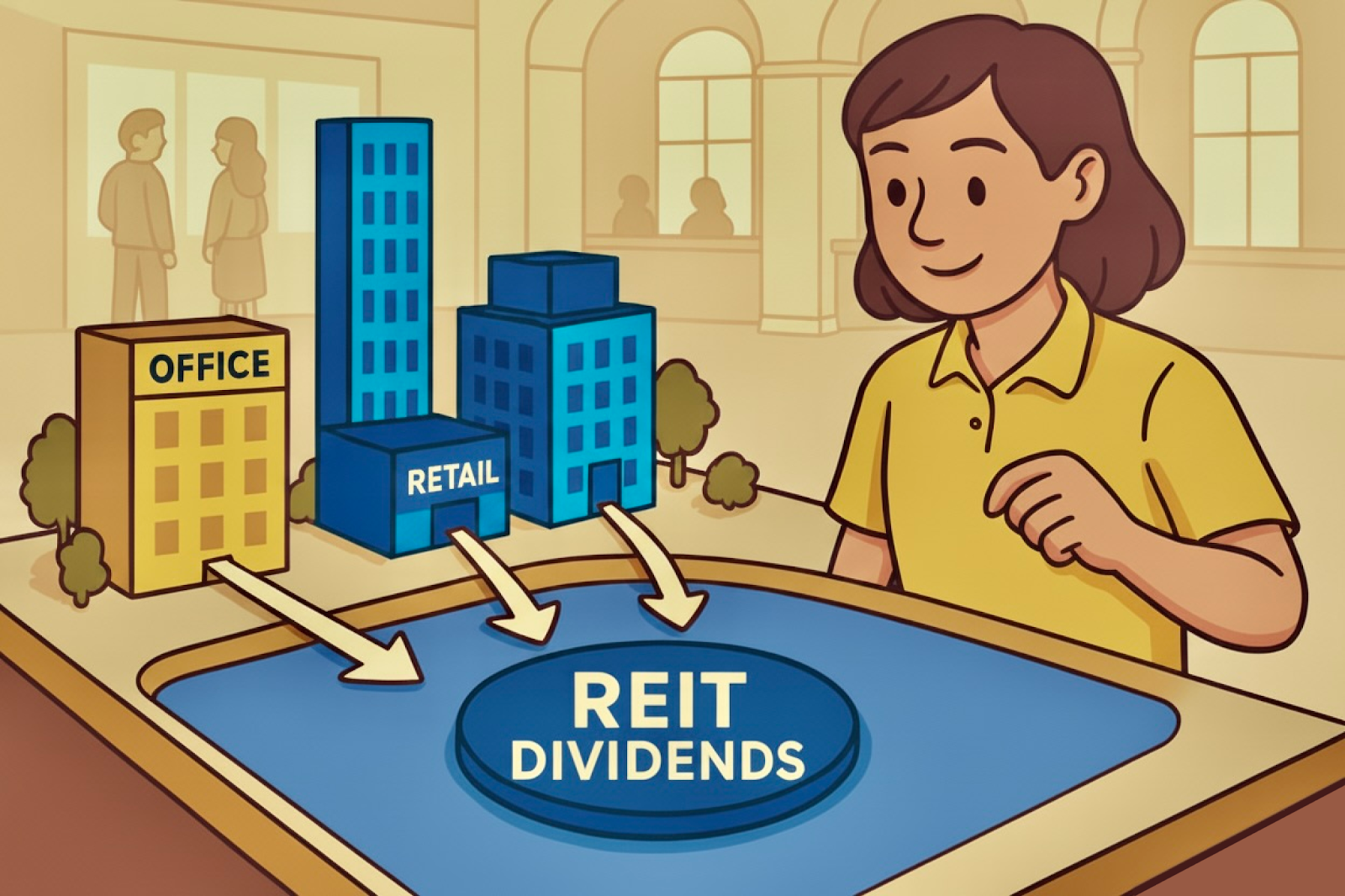
REITs investing guide
Want to invest in property but can't afford a down payment or mortgage yet? That's where REITs come in. Real Estate Investment Trusts (REITs) let you own a slice of malls, offices, or even warehouses, and earn rental income without buying a single building.

Make the most of your CPF investments
Did you know you can actually invest part of your CPF savings? Through the CPF Investment Scheme, you can grow your CPF savings instead of letting them sit idle. The catch? You need to be informed and cautious.
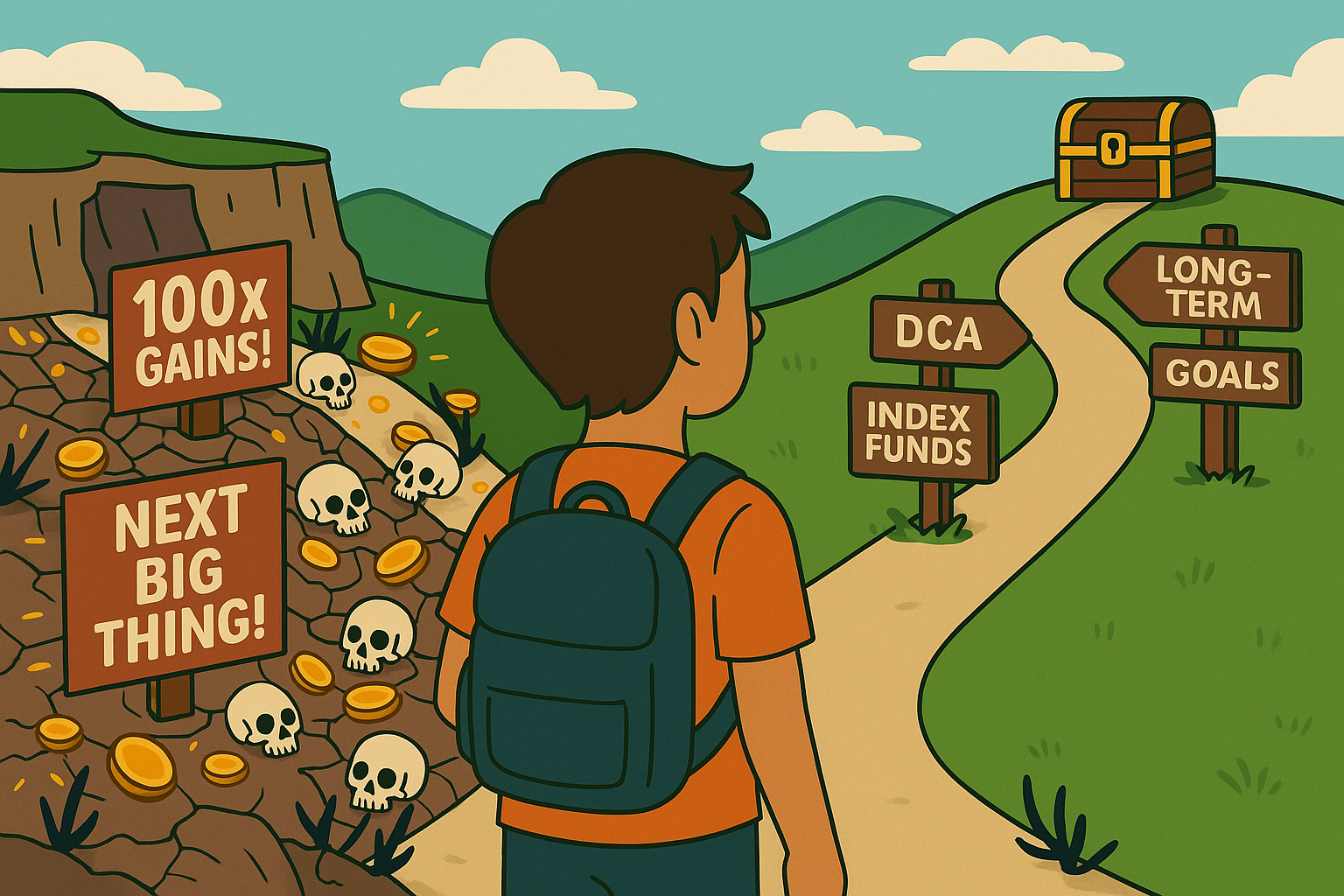
The risks of crypto: what you need to know
Scrolling through TikTok and seeing someone double their money on crypto overnight? Or maybe you got added to a Telegram group promising insane returns? It's easy to get drawn in but crypto isn't a shortcut to riches. In fact, the risks are higher than most people realise.