How to track your investments
23 October 2025
2 min read
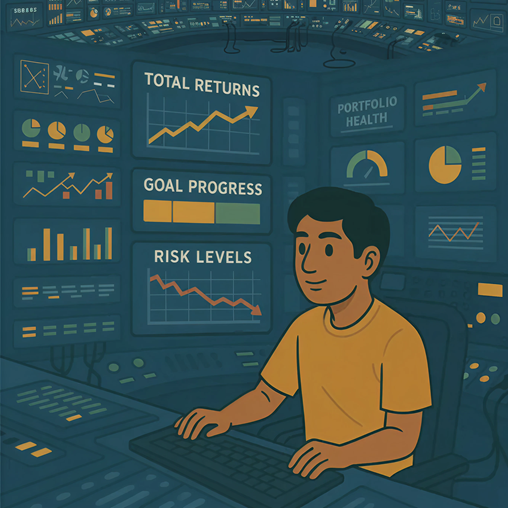
Investing isn’t just ‘buy and hope’. You need to track how your investments are doing. If market swings make you nervous, then checking daily might be stressful, so a monthly review might suit you better. But if you’re chill and like to watch the action, daily check-ins are fine. Just make sure that you’re staying informed without letting your emotions drive your actions.
Why tracking matters:
- Shows if you're meeting your financial goals
- Helps you compare investments over time
- Keeps emotional decisions in check, like panic-selling during market dips
Key things to track:
- Total return:
- This includes both price changes and any dividends or interest earned.
- It’s the real measure of how much you’re gaining.
- Annualised return:
- Shows your average yearly performance, which is useful for comparing against benchmarks or savings accounts.
- Volatility and drawdowns:
- How much has your investment fluctuated?
- If something’s stressing you out with wild swings, it might not match your risk profile, and you might want to divert the money to a safer investment.
How to track your investments:
- Use tools like StocksCafe or your brokerage dashboard
- Robo-advisors usually show portfolio growth over time automatically
- For DIY portfolios, keep a simple spreadsheet to track buys, sells, and dividends

Was this helpful?
Leave a feedbackRelated articles

Why you should start retirement planning early
Retirement isn't just about stopping work. It's about living on your own terms, with enough money to support the lifestyle you want.

Using CPF to fund your retirement
CPF is a savings system that helps you actively build security for your housing, healthcare, and retirement needs.
Calculate your retirement needs
If you've got your dream retirement lifestyle in mind, it's time to put a price tag on it.