How to use credit wisely in emergencies
31 October 2025
4 min read
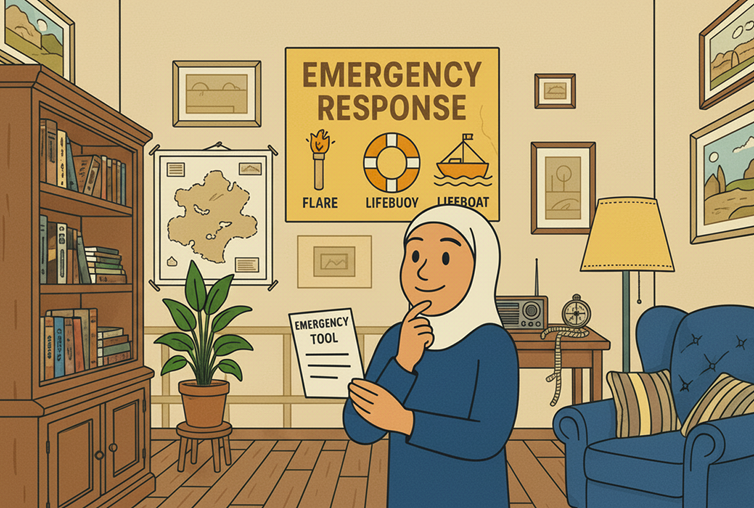
Life happens – your laptop dies the day before submissions, you lose your job unexpectedly, or your pet suddenly needs emergency vet care. Hopefully, you have built an emergency fund of at least 3 to 6 months of your expenses.
But what if you don’t have enough to cover the bill, and credit feels like the only option? Not all credit is equal, and how you use it during a crisis can make or break your financial future.
What counts as a credit emergency?
- Unexpected job loss, illness, or family issues that impact income.
- Urgent, essential expenses (e.g., medical, housing repairs, transport).
- Not things like sales FOMO, last-minute concert tickets, or shopping ‘therapy’.
What to do when you're in a credit crunch:
-
Pause and assess your options
Don’t swipe your card in panic. Remember that credit cards carry at least a 25% interest. Check your emergency fund (even if small) and ask: is this truly urgent? Could my emergency fund cover this expense? -
Use credit intentionally
If needed, use the lowest-interest option first, and not your credit card. Try asking for a short-term instalment plan or using a personal loan with better terms. -
Reach out for help early
Don’t wait till you’re drowning. Banks offer restructuring plans. You can also talk to Credit Counselling Singapore for debt support.
Smart emergency strategies:
- Consider an interest-free credit card instalment plan only if it’s for a real need, like replacing a broken laptop for school or a fridge at home. Some banks offer 6 to 12 months of interest-free instalments, which can help spread out big-ticket costs without extra charges. But be careful: it’s still a form of unsecured debt. If you miss payments, you could face fees, higher interest rates, and even a hit to your credit score.
- Use CPF MediSave or MediFund for medical expenses when possible. If you’re not sure what you’re eligible for, medical social workers can help with that.
Pay off your debt as soon as possible, starting with loans with the highest interest rates. Once your debt has been repaid, it’s time to rebuild your emergency fund again. We recommend saving at least 3 to 6 months of living expenses (12 months of living expenses if you have inconsistent income) so credit isn’t your first option.

Was this helpful?
Leave a feedbackRelated articles
Understanding different loan types

Student loan basics