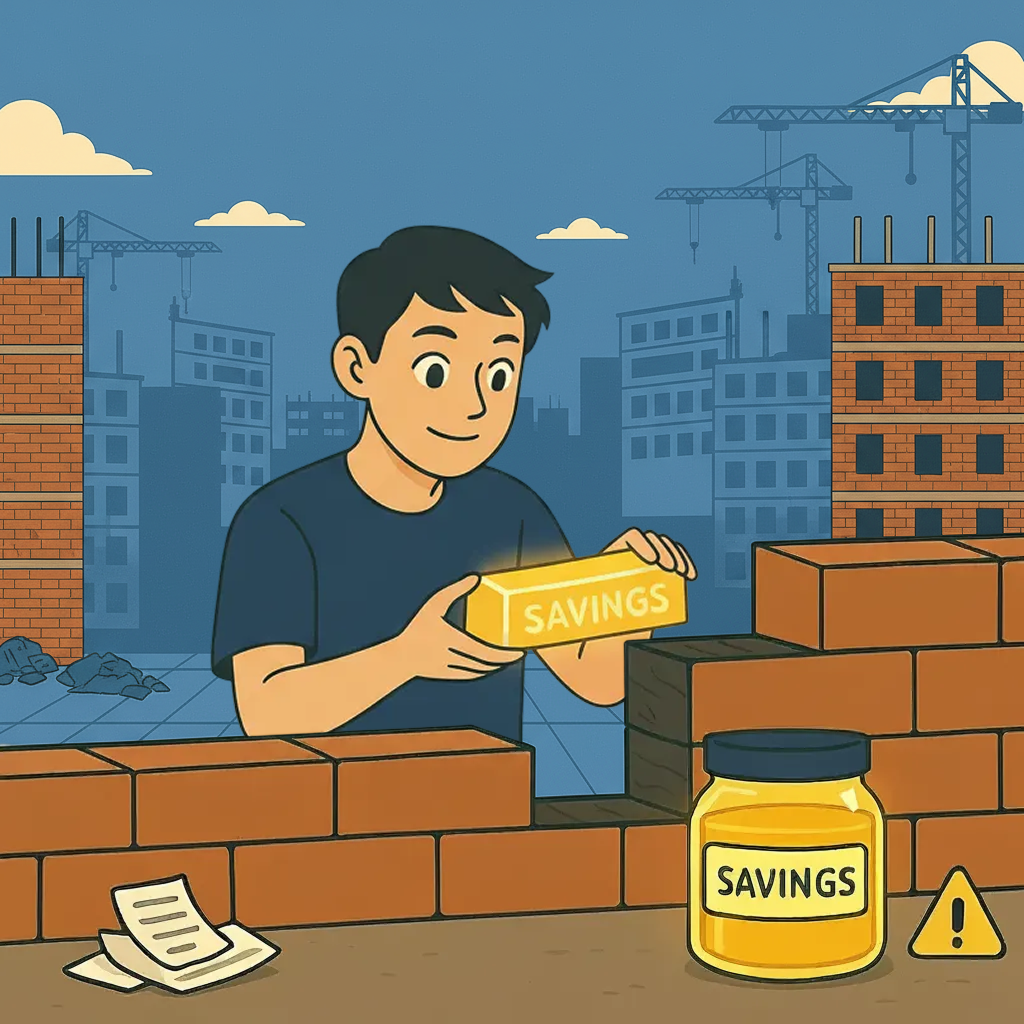
What is an emergency fund?
27 October 2025
5 min read
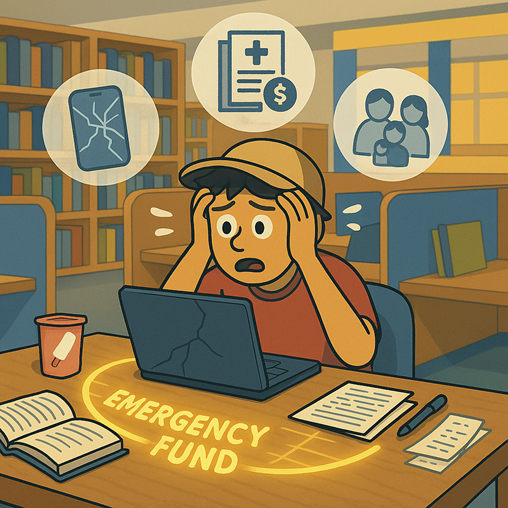
You know that feeling when your phone suddenly dies mid-cab ride? Now imagine it’s your laptop just before an assignment deadline, or getting a terrible toothache right before your internship starts. Ouch.
These are more than just suay things that happen to you because if you because if you’re not prepared, they can hit harder than the final boss in your mobile games.
This is where an emergency fund comes in handy.
An emergency fund is money you set aside just in case things go sideways. It’s your financial safety net, ready to catch you when life trips you up. It’s not for holidays or big-ticket shopping hauls. It’s for urgent, unplanned stuff that could mess with your ability to live, work, or study.
Having one means you don’t need to borrow from friends, take on debt, or panic when trouble hits. If you don’t have an emergency fund yet, that’s okay. Many people don’t, especially when they’re just starting out. The important thing is that you’re learning how to protect yourself now.
What counts as an emergency?
Emergencies are unexpected, urgent, and essential. Think medical bills, sudden job loss, busted phone (if you need it for work or school), or helping out with family expenses when an accident happens. Here’s a list of possible emergencies at different life stages.
| Life stage | Possible emergencies |
|---|---|
| Schooling |
|
| Early career |
|
| Mid-career, owns a home, and with spouse/kids |
|
Basically, if something interferes with your basic needs, and you didn’t see it coming, it counts. Not sure if something’s an emergency? Ask: ‘Will not paying this right now cause serious trouble in my daily life?’
How much should you save?
Start small if needed. Aim for at least $500 to begin with — enough for a laptop repair, urgent purchases, or doctor visits.
Eventually, work towards covering at least 3 to 6 months’ worth of expenses. If your income is irregular (e.g. you’re freelancing), aim to have savings equivalent to 12 months of expenses.
Think about your MRT fares, meals, bills — multiply those monthly basics and you’ve got your target.
| Ages | Take-Home Pay | Monthly Expenses | Emergency Funds |
|---|---|---|---|
| 15–19 | $800 | $400 on needs: Food, transport, phone bill | At least $1,200 |
| 20–24 | $3,000 | $1,500 on needs: Groceries, bills, insurance premiums, taxes | At least $4,500 |
| 25–29 | $4,500 | $2,250 on needs: Rent/mortgage, allowance to parents, groceries, bills, insurance premiums, taxes |
|
| 30–35 | $5,500 | $2,750 on needs: Mortgage, groceries, bills, insurance premiums, taxes, child’s daycare/school fees |
|

Was this helpful?
Leave a feedbackRelated articles
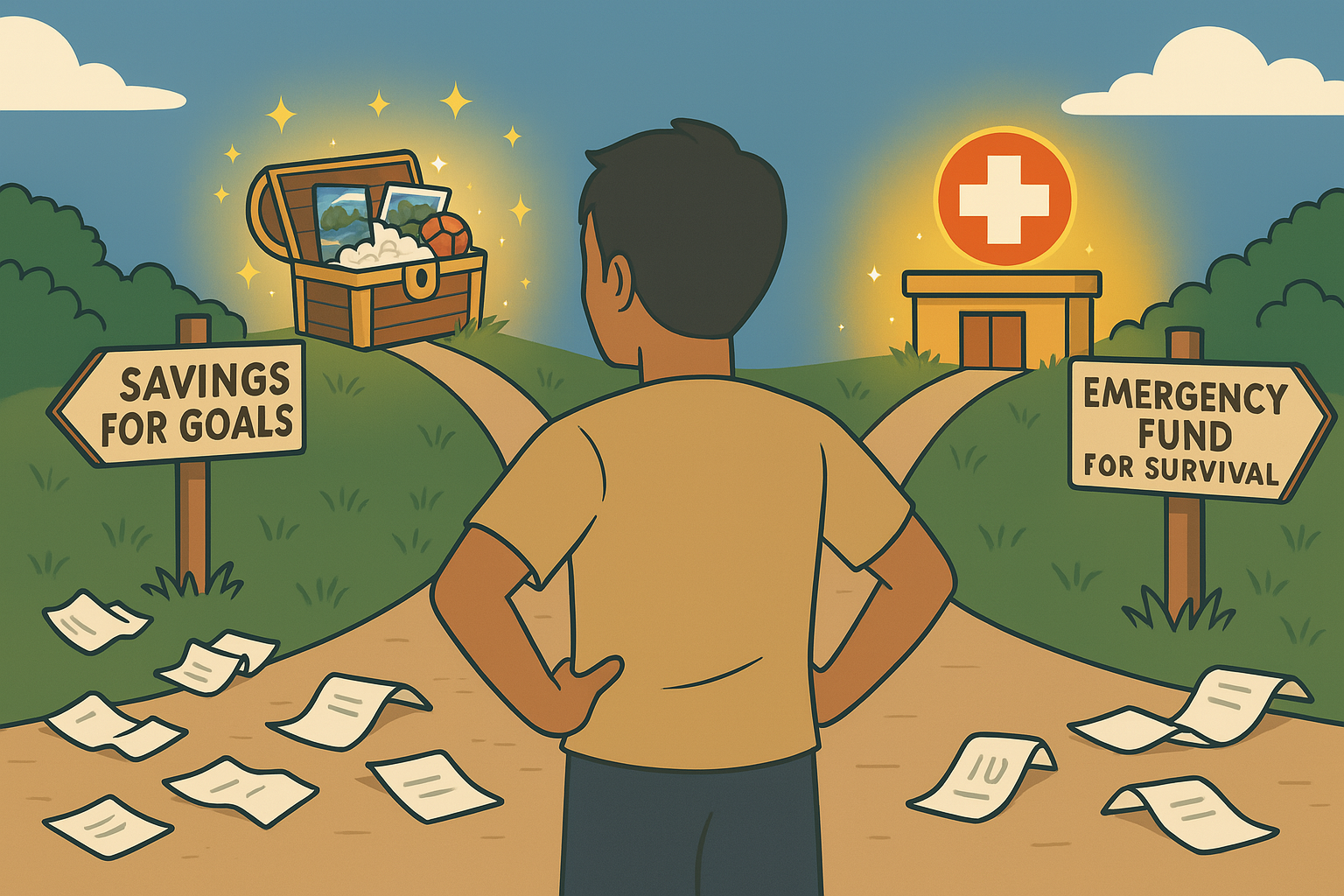
Why savings ≠ emergency fund
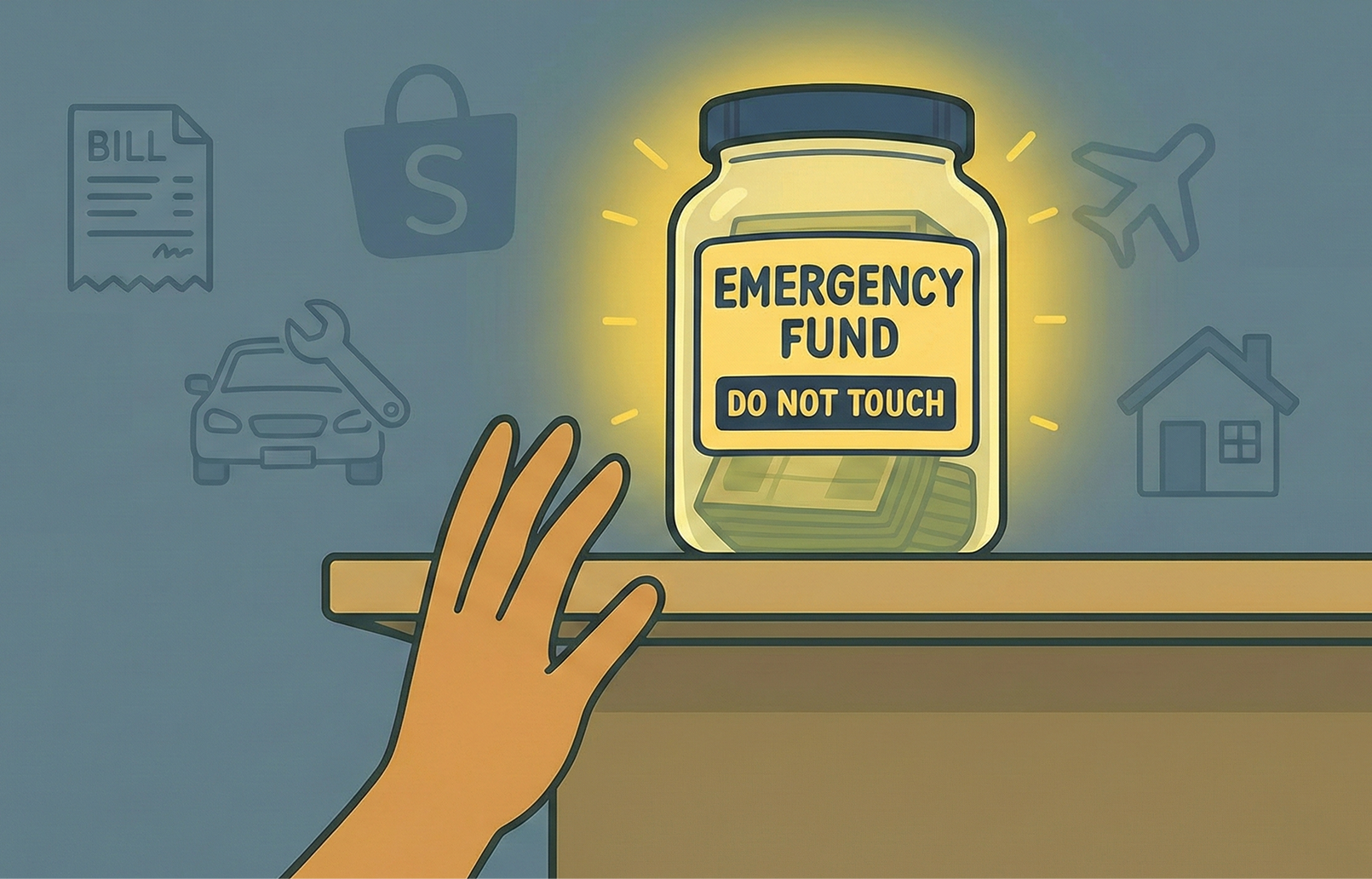
How to protect your emergency fund
You've built your emergency fund - well done! That's a huge step in the right direction. Now your mission is simple: keep it safe.