How to rebuild your savings after emergencies
27 October 2025
3 min read
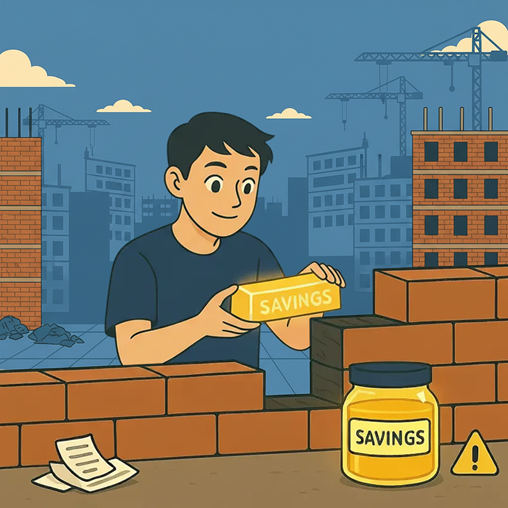
So, you used your emergency fund. Oof. Maybe it was for a medical bill, a family crisis, or getting retrenched. First things first, you shouldn’t feel any guilt because that’s exactly what it was for. But now that you’ve survived the storm, it’s time to reinforce your roof.
Rebuilding your emergency fund isn’t just about topping up money. It’s about regaining peace of mind, knowing that if something bad were to happen again, you’re financially secure and wouldn’t have to borrow money from others.
Example:
Let’s say your emergency fund dropped from $3,000 to $2,600 after repairing your mobile phone. It hurts. But here’s how to recover without stressing out your budget.
Reset game plan:
- Have a sense of urgency: Depending on your situation, we’d suggest you channel as much savings as possible to your emergency fund, after taking into account your ‘Needs’ expenses.
- Cut down on unnecessary expenses: For a few weeks or months, cut down on unnecessary expenses and prioritise funding your emergency fund. You can have fun money again once your emergency fund is in a healthy state.
- Use windfalls wisely: Bonus? Angbao money? Channel as much as possible into rebuilding your emergency fund.
- Re-evaluate your emergency goal: After your last emergency, you may realise that you require more than 3 to 6 months’ worth of expenses in your emergency fund. If so, make a plan to reach that target amount in X number of months, and do it.
You bounced back once, and you can do it again — this time stronger, smarter, and with a thicker cushion.

Was this helpful?
Leave a feedbackRelated articles

Understanding how insurance works
What types of insurance do you actually need