How to spend consciously and cut wasteful expenses
23 October 2025
8 min read
Despite trying to cut out unnecessary expenses, you find yourself struggling to stay within your budget. If that’s the case, then you haven’t been spending consciously.
What is conscious spending?
It’s about being aware and intentional with your money. Instead of just spending without thinking, you ask: ‘Is this worth it? Does it bring me value?’ It doesn’t mean you stop spending altogether - it means you spend smarter.
Here’s how you can spend consciously and cut unintentional expenses:
Step 1: Set your spending rules
If your money keeps slipping away, it’s time to set some boundaries.
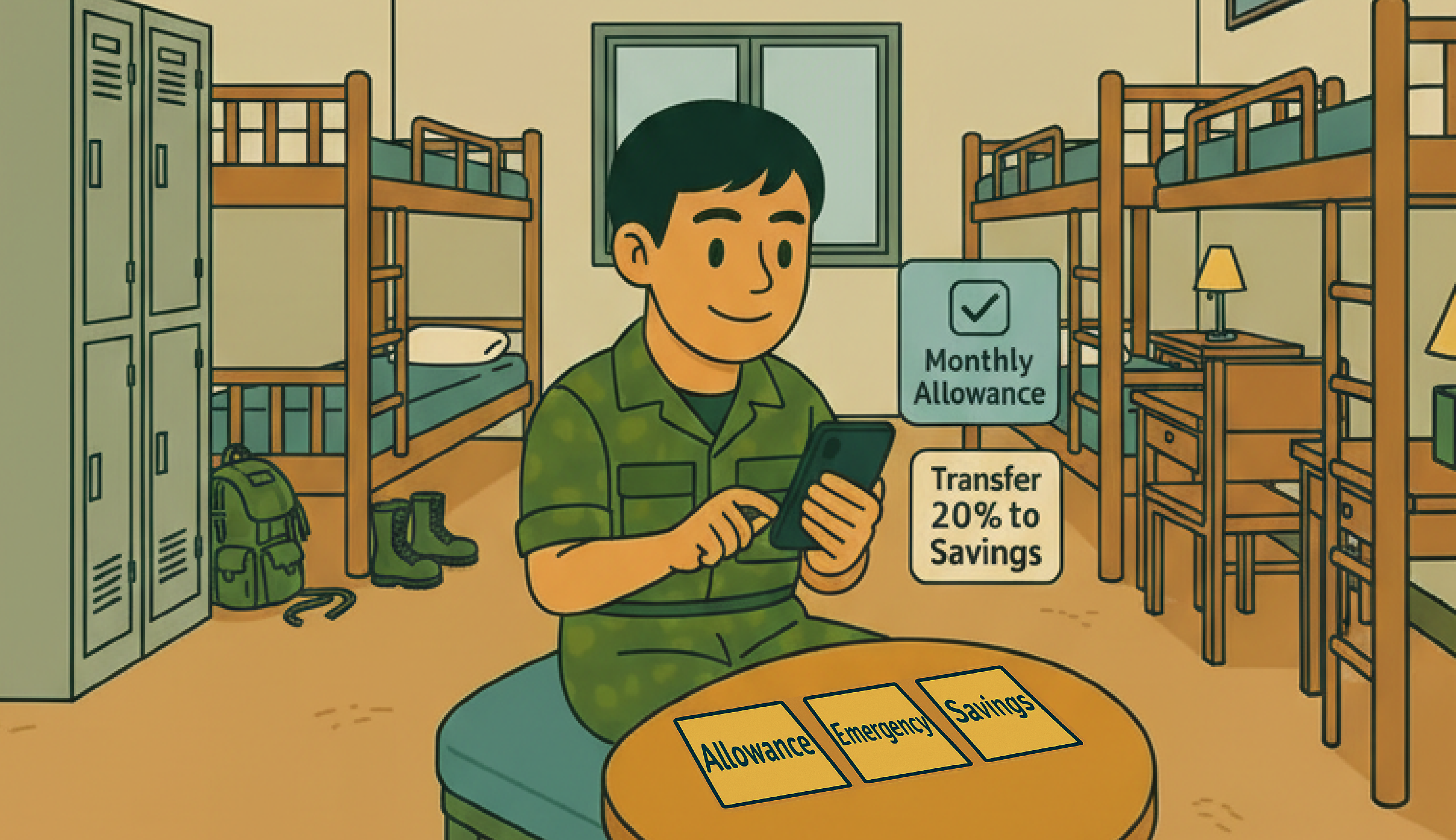
- Save first, spend later: Decide how much you’ll save every month before you even touch your money. Even if it’s just $50, this mindset shift changes everything.
- Use cash or debit only: Withdraw your weekly budget in cash or set a spending cap on your debit card. No credit cards, no Buy Now Pay Later (BNPL). You spend what you actually have.
- Create a ‘fun fund’: Set aside a small amount (say, $50/month) just for impulse buys. That way, you get to enjoy the occasional bubble tea or Steam sale guilt-free.
- Track your daily spending: Apps or simple Google Sheets can help you track where your money’s going. Once you see it, it’s easier to stop wasteful habits.
- Stick to a daily allowance: Want to take it up a notch? Give yourself a daily budget. For example, $10 per weekday for extras. Bring it out in cash, and when it’s gone, it’s gone.
Step 2: Cut out unnecessary expenses
Once you’ve locked in your rules, look for places to cut without pain.
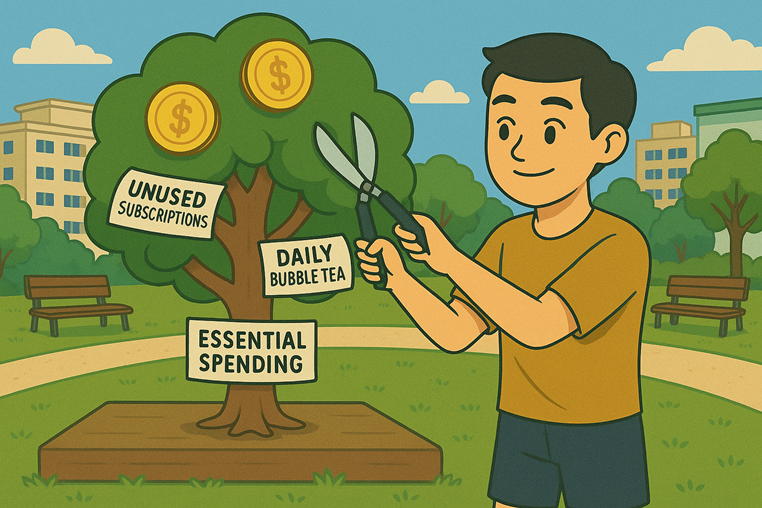
- Audit your subscriptions: If subscriptions eat up hundreds of dollars a month, it’s time to assess if you need all of them. Consider deleting under-utilised subscriptions or getting a family plan that could be cheaper on a per pax basis.
- Eat out less, meal prep more: It’s not a secret that eating out costs a lot more than a simple meal prep. Meal prep on the weekends so you’re not tempted to eat out or order food delivery. If you must, limit the number of times you eat out, e.g., twice a week. When you do this, you might have to adjust your ‘Needs’ budget because now you have to buy groceries for meal prep.
- Watch your daily treats: A $6 bubble tea here or $5 game skin there might not seem to amount to much, but unnecessary costs do add up quickly. If you have a $900 ‘Wants’ budget and you spend $6 a day on bubble tea, that’s $180 a month or 20% of your ‘Wants’ budget! You may want to weigh that against other items that give you greater pleasure.
You could stop at Step 2. But if you’re interested to get to the bottom of why you tend to overspend, continue with the following steps.
Step 3: Recognise your spending triggers
Spending triggers are situations, feelings, or external factors that make it more likely for you to overspend. These triggers can be:
- Emotional (like stress or boredom),
- Social (like peer pressure or FOMO), or
- Situational (like seeing a sale sign).
Here’s a list of common spending triggers:
- FOMO (Fear Of Missing Out)- You have to participate in all social activities, such as brunches, concerts, staycays, because all your friends are going and you don’t want to be the loser who misses out.
- Love of convenience You take frequent private hire car rides, order food delivery regularly, and eat out with your colleagues every day when you work in the CBD area
- Inability to resist sales - Shopee flash sales? 11/11 mega sale? You just have to buy everything because if not during sales, then when?
- Comparing yourself with your friends’ highlight reels - Since friend A bought this bag and looks super cool with it, you just have to buy this bag to feel like you fit in.
- The ‘Buy Now Pay Later (BNPL)’ trend– pricier purchases appear affordable by spreading out payments over weeks or months, leading to more impulse buying.
Step 4: Manage your spending triggers
Once you’re honest with yourself and identify your spending triggers, you can do the following to manage them.
| No. | Spending triggers | How to manage spending triggers |
|---|---|---|
| 1. | FOMO |
Be selective about your social activities. You don’t have to go for everything, especially if you’re on a tight budget.
Explain to your friends — true friends will understand.If you have a costly social activity coming up, save up in advance or cut back on certain wants instead of busting your budget. |
| 2. | Love-of-convenience |
Set limits. E.g., I will not order food more than twice a week. Plan in advance. Meal prep to avoid the temptation of ordering food; leave your house earlier to avoid having to take Grab. |
| 3. | Inability to resist sales |
Unsubscribe from shopping emails and/or delete your shopping apps. When tempted by an online sale, leave the item(s) in the cart for 48 hours and decide if it’s something that you truly want. |
| 3. | Emotional spending | Find other coping mechanisms that don’t require spending money, e.g., exercise, chat with friends, binge-watch a show |
| 5. | Comparing yourself with your friends’ highlight reels |
Understand that your self-worth is not determined by your possessions. You may not be able to afford all the things and experiences your friends have, but you can definitely work on improving yourself in terms of skills, knowledge, etc. Those have better pay-off in the future. |
| 6. | Buy Now Pay Later (BNPL) |
BNPL may offer a way for you to stretch your budget without accumulating interest-bearing debt.
BUT remember the 50/30/20 rule and your ‘Needs’ and ‘Wants’. Make a shopping list to avoid being tempted to spend more than what you really need. |
Cutting costs doesn’t mean not being able to live your life; it just means trimming what doesn’t add long-term value to you.

Was this helpful?
Leave a feedbackRelated articles

Smart ways to save using discounts, promos, and instalment plans

Why save monthly with low income