Credit Cards
Stay out of credit card debt
31 October 2025
4 min read
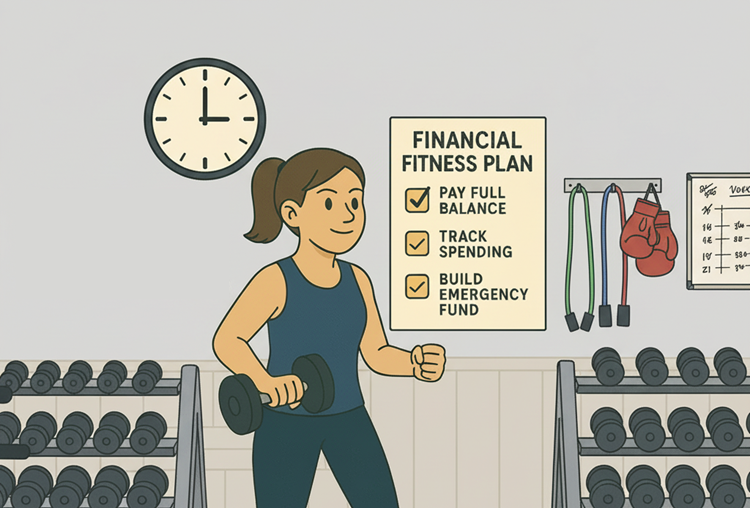
Credit cards are convenient, but maybe a little too convenient. One tap and you’re buying concert tickets, paying for a Shopee haul, or booking a trip to BKK.
But here’s the thing: credit card debt builds up fast, and if you’re not careful, it can snowball quickly.
Why credit card debt is so dangerous:
- High interest rates: Most cards charge 25% to 28% per year, and that interest is compounded daily. If you don’t make any payments, late fees ranging from $40 to $100 a month kick in too. Even without counting those, your $1,000 debt can snowball to around $1,284 in a year, and $1,650 in two, without you spending another cent.
- Minimum payments are a trap: Paying just the minimum (usually $50) keeps you in debt longer and racks up interest. For example, if you owe $1,000 and only pay $50 a month, it could take years to clear, and you’ll end up paying way more than $1,000.
- Debt affects your credit score: Missing payments or carrying overdue balances lowers your score, which is a measure of how trustworthy you look to lenders. A strong score signals that you handle debt responsibly, while a weak one can mean difficulty getting loans approved, lower credit limits, or being charged higher interest rates. This matters not just for credit cards, but also for major commitments like car loans and mortgages.
How to avoid falling into the debt trap:
-
Set a spending limit below your credit limit
Just because your card allows $2,000 doesn’t mean you should use it all. Base your budget on what you can afford. -
Always pay in full, not just the minimum
Essentially, use your credit card as if it’s a debit card. This avoids interest completely. Otherwise, even one missed payment starts the interest snowball. -
Turn on reminders and auto-pay
Set payment alerts or auto-deduct from your bank account so you never miss the due date.
What if you already have credit card debt?
- Stop using the card temporarily because you don’t wanna dig a deeper hole.
- Prioritise paying off the card with the highest interest rate first (this is called the avalanche method). However, if you’re someone who’s more motivated by small successes, you can also pay off the card with the smallest balance (snowball method).
- Limit the number of your credit accounts to help you stay on top of payments and avoid extra charges like annual fees.
- Getting into credit card debt doesn’t mean you are bad with money. It just means you didn’t have the right tools yet, and now you do!
Was this helpful?
Leave a feedbackRelated articles
Credit Cards
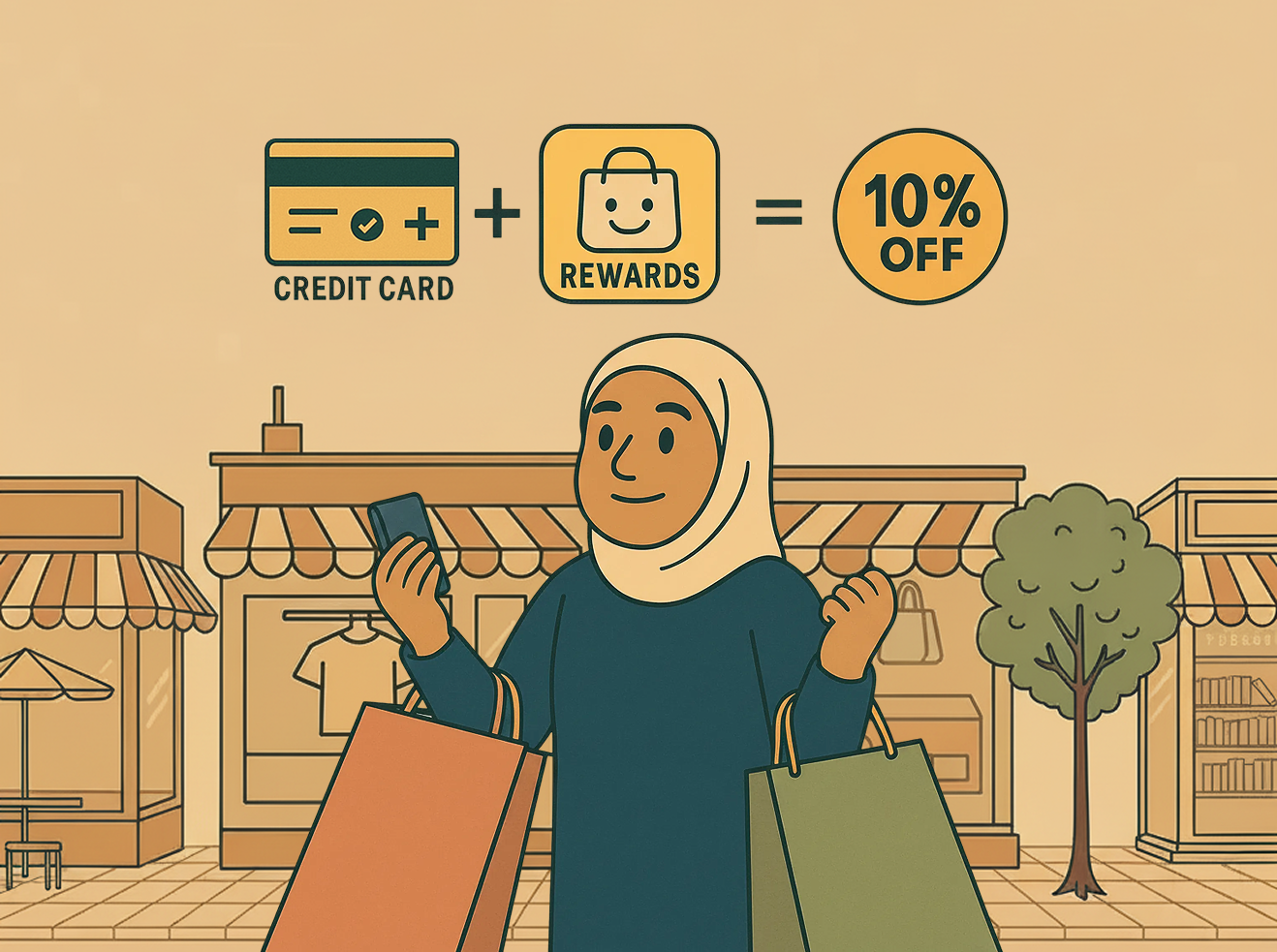
How to make the most of credit card rewards
Heard your friend flexing their free flight to Seoul using credit card miles? Or maybe you saw someone brag about earning cashback just from buying groceries.
Credit Score
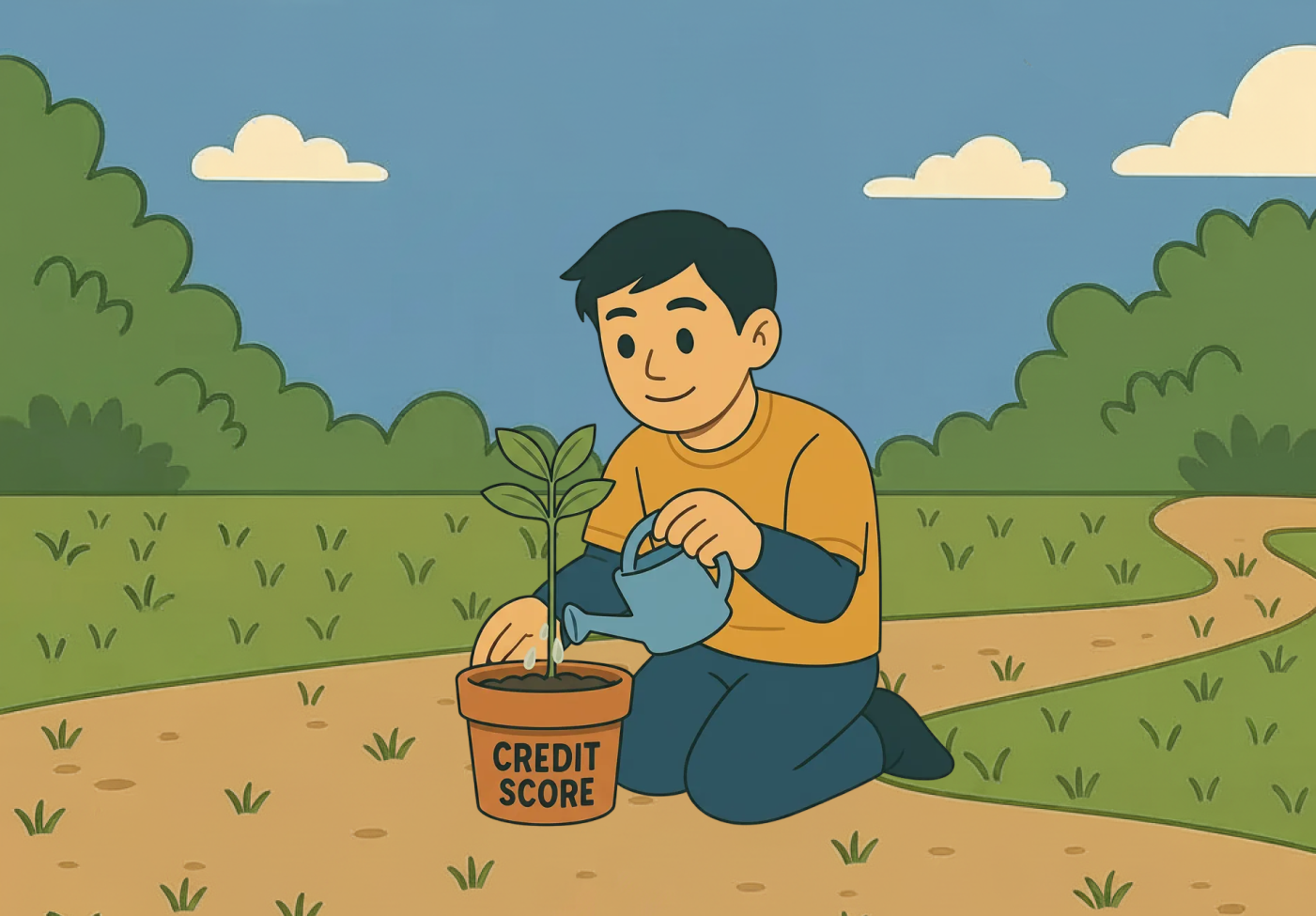
Build your credit score right
Your credit score is like your financial report card. Banks may look at it to decide if you're trustworthy with money. A good score means more options in life: easier loan approvals, better card offers, and lower interest rates. The best part?
Credit Score
How to use credit wisely in emergencies
Life happens - your laptop dies the day before submissions, you lose your job unexpectedly, or your pet suddenly needs emergency vet care. Hopefully, you have built an emergency fund of at least 3 to 6 months of your expenses.