ETFs made simple
30 October 2025
2 min read

ETFs are like the nasi padang and cai png of investing — you get a little bit of everything in one neat package. Instead of buying individual stocks one by one, you buy a basket of them all at once. Importantly, there’s very little chance all the companies would do badly for a sustained period. Rather, over time, their performance collectively should even each other out, if not grow, which means your investment should be profitable or minimally stable. That’s what makes ETFs such a powerful and beginner-friendly option.
What’s an ETF?
- ETF stands for Exchange-Traded Fund.
- It’s a fund made up of many different stocks or bonds, and it’s traded on the stock market like a single stock.
- One ETF can hold dozens or even hundreds of companies, which gives you instant diversification.
Why diversified ETFs are great for beginners:
- Low cost, big reach
Many diversified ETFs charge very low fees (called expense ratios), but give you access to broad markets, like the S&P 500 or STI. - Diversification in one step
Instead of picking 10 stocks yourself (which can be stressful, confusing, and costly), a diversified ETF can do it for you. If one stock drops, others in the basket might balance it out. - Easy to buy and sell
You can buy diversified ETFs through a regular brokerage or robo-advisors, just like you’d buy a stock.
Popular diversified ETFs:
- STI ETF: Tracks the top 30 companies in Singapore (like DBS, Singtel, Keppel).
- S&P 500 ETF: Tracks 500 large US companies, which is great for external exposure.
- Bond ETFs or REIT ETFs: For lower-risk or income-focused portfolios.

Was this helpful?
Leave a feedbackRelated articles
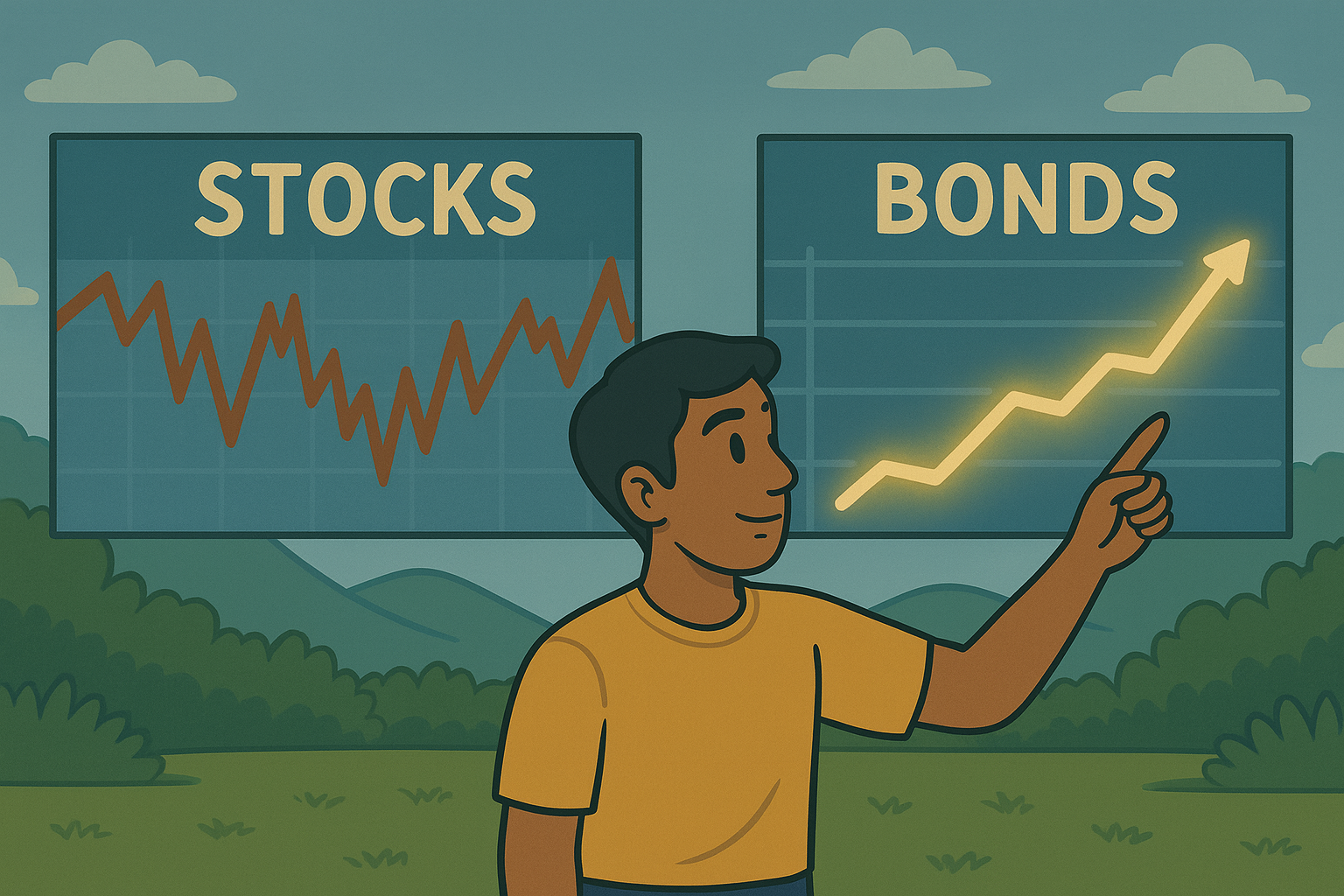
Bond basics guide
When you buy a bond, you're not owning a company; you're lending money to one. Think of it like this: stocks make you a part-owner, but bonds make you a lender.
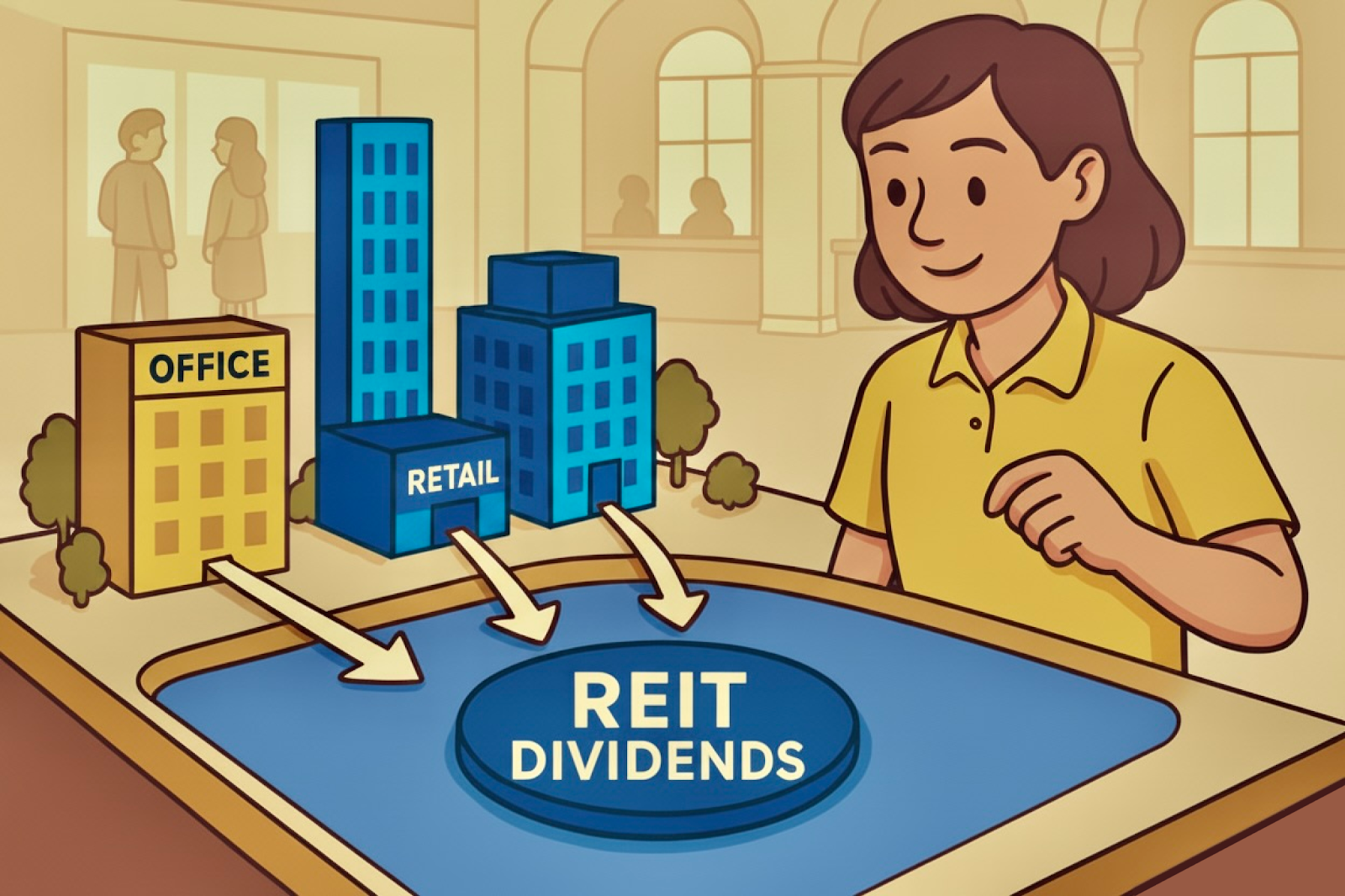
REITs investing guide
Want to invest in property but can't afford a down payment or mortgage yet? That's where REITs come in. Real Estate Investment Trusts (REITs) let you own a slice of malls, offices, or even warehouses, and earn rental income without buying a single building.

Make the most of your CPF investments
Did you know you can actually invest part of your CPF savings? Through the CPF Investment Scheme, you can grow your CPF savings instead of letting them sit idle. The catch? You need to be informed and cautious.