Estate and legacy planning basics
30 October 2025
5 min read
Estate planning
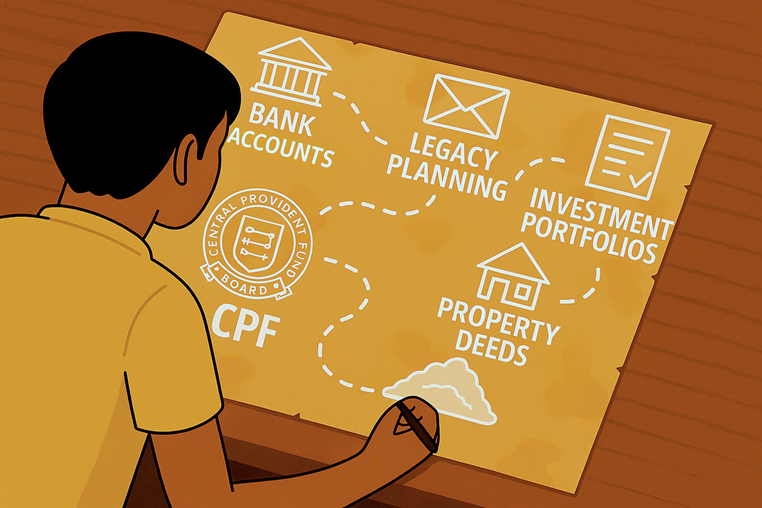
You might think estate planning is only for rich uncles with landed property. But the truth is, if you’ve got a bank account, CPF savings, or even just a handphone, you’ve got an estate. Planning what happens to your assets when you’re gone isn’t morbid, it’s kind. It saves your loved ones’ time, stress, and sometimes money.
Let’s break down the essentials you need to know.
Why estate planning matters
- It ensures your money and assets go where you want them to
- It protects your loved ones from legal headaches
- It lets you stay in control, even when you can’t speak for yourself
Doing nothing means the law decides who gets what, and that might not fully reflect your wishes.
Types of estate planning
- Will
- Legal document that states who gets your assets after you pass
- You can also name a guardian for your kids
- Must be written, signed, and witnessed by two people
- CPF Nomination
- CPF savings are not covered by your will
- Use CPF’s online nomination service to choose your beneficiaries
- Ensures fast, direct payout to your loved ones, in cash
- Lasting Power of Attorney (LPA)
- Appoints someone to make decisions for you if you’re so sick that you lose mental capacity
- Covers personal welfare and property matters
- Done through Office of the Public Guardian
- Insurance payouts
- Life insurance can provide a lump sum for dependants
- Make sure your beneficiaries are updated
- Via charitable giving
- Donate a portion of your estate to causes you care about
- You can do this through your will, CPF nomination, or specific donation plans
- Structured trusts or gifts
- Useful if you want to support someone over time (e.g. a special-needs sibling or grandchild)
Example: No will, big delay
Auntie May passed away without a will or CPF nomination. Her family waited months for the Public Trustee to process her CPF. Her bank accounts were frozen, and her siblings fought over who should get what. All this could have been avoided with simple planning.
When should you start?
Now. Not when you’re old, sick, or ‘ready to retire’. Especially if:
- You’ve started working and have CPF savings
- You have dependants (like kids or ageing parents)
- You own assets like savings, property, or insurance
Legacy planning
Legacy planning includes estate planning, but also goes into values, memories, causes you support, and family traditions. It’s about how you want to be remembered and what you pass down emotionally, culturally, and socially.
Here are ways to leave your legacy:
- Write a letter to your future children or grandchildren: Share what you’ve learned about life, relationships, or even what you wish you knew when you were younger.
- Record voice notes or short videos: Use your phone to capture your thoughts, funny family stories, or reflections on life in general. It’s like your own personal podcast for the future.
- Keep a journal (digital or old-school): Talk about your everyday life, how you deal with challenges, or even how you save money and plan for the future. These small entries will mean a lot to someone later on.
- Create a memory box: Fill it with items that mattered to you. They could be photos, MRT cards, mementos, or commemorative coins. Include little notes explaining why each item is there.
- Pass down traditions: Whether it’s how your family celebrates Chinese New Year, makes curry puffs, or plays old-school kampung games - these cultural gems are part of your story too.
These personal legacies often matter just as much, if not more, than money.

Was this helpful?
Leave a feedbackRelated articles
Beginner’s guide to side hustles
How to plan your first side hustle