Level up your first tax filing
30 October 2025
7 min read
It might sound intimidating, but tax filing is just part of adulting: like topping up your EZ-Link or applying for uni. If you’ve earned money through a part-time job, freelance gig, or side hustle, there’s a chance you’ll need to report it to IRAS (Singapore’s tax authority). The good news? Most of it is online and straightforward, especially if your organisation is submitting your income to IRAS. All you need to do is check the numbers, add any missing income, update any changes in tax reliefs, and file it on time.
Here’s how the system works:
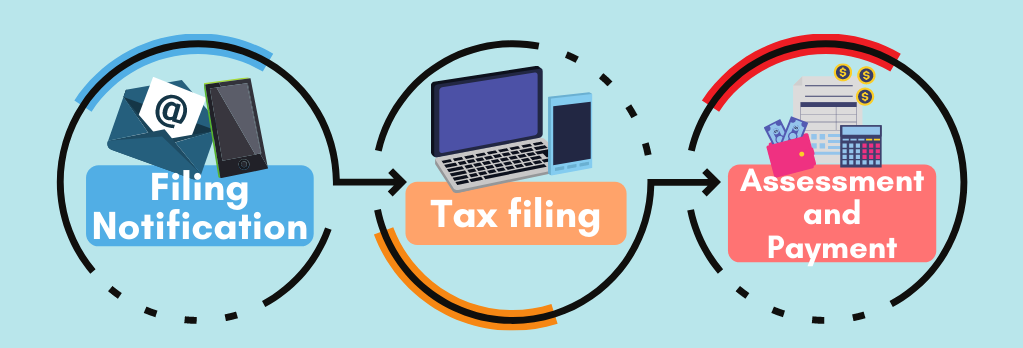
| Filing notifications (SMS/Email/Letter) are sent between Feb to Mar. | If you received a notification to file, you may e-File from 1 Mar to 18 Apr. |
Generally, most taxpayers will be receiving their tax bills from end Apr onwards. |
- You file your taxes once a year: Between 1 Mar and 18 Apr, you’ll submit your income tax returns to IRAS if you receive a notification to do so or meet the filing requirements. To find out more, do refer to the ‘When do you need to file’ section below.
- You will receive your tax bills from end Apr onwards: Once your income tax returns is processed, you will receive your tax bill, which will show your income, allowable tax reliefs and deductions, and the amount of taxes you need to pay. Always check the income and tax relief claims to ensure that it is accurate. If it is incorrect, file an amendment via the ‘Amend Tax Bill’ digital service at IRAS’ myTax Portal within 30 days from your date of tax bill.
- You make payment for your tax bill: You have to pay your income tax within 1 month from the date of the tax bill.
- You only pay if your chargeable income is more than $20,000 per year: Based on current tax rates, there’s no tax on income of $20,000 or less. Above that amount, you’ll pay tax only on the portion that falls into each tax bracket.
- You don’t pay all at once (unless you want to): Most people opt for GIRO, which can split your annual tax into interest-free monthly instalments for up to 12 months. Easier on your wallet than a lump sum. Alternatively, you can pay with a credit card via third party platforms like AXS, CardUp, or ipaymy. Some even let you earn miles or reward points on the payment of your income tax, though these services typically charge admin fees so it’s worth checking what your provider offers to see if rewards justify the fees. Refer to IRAS Tax Payments for all available payment modes offered by IRAS.
When do you need to file?
- Between 1 Mar and 18 Apr each year,
- You receive a filing notification (via SMS, email or letter) or a tax form from IRAS informing you to do so; or
- Your total income (including employment income, net self-employment income and gross rental income) in the previous year was more than $22,000
- Your net self-employment income as a self-employed person in the previous year was more than $6,000, or
- You are a non-tax resident who derived income from Singapore.
- If you meet any of the above conditions, you are required to file an Income Tax Return even if your organisation is submitting your income information to IRAS. However, you are not required to file an Income Tax Return if you receive an SMS notification from IRAS informing you that you have been selected for No-Filing Service (NFS)/ Direct Notice of Assessment (DNOA). You’re still highly encouraged to verify your details by logging in to IRAS’ myTax Portal and have the option to make relevant changes via e-Filing, if needed.
- While your organisation may submit your income information to IRAS, the income submission doesn’t cover other types of income such as self-employment income, gig/ side-hustle income or rental earning. So, if you have these other income sources or are claiming tax reliefs or deductions for the first time, you should still file these yourselves. It’s still important to log in, review your info, and update what applies to you.
Avoid these common mistakes:
- Missing the filing deadline of 18 Apr: You can be fined up to $5,000 if you don’t file on time
- Forgetting to declare your self-employment income: Yes, your self-employment income (including income from your side-hustle/ gigs) counts. These types of income are typically not submitted to IRAS by your organisation and if you don’t declare, you’ll end up paying more tax on the income not reported and penalties for under declaring your taxes.
- Not checking tax reliefs: Don’t leave free money on the table. Likewise, you should verify your pre-filled tax reliefs and remove any that you are no longer eligible for (for example, due to changes in your circumstances), as you do not want to get penalties for incorrect claims of tax reliefs.
- Reporting based on estimates: Reporting your income and expenses based on estimates are not acceptable. You should report the actual amount, which you can substantiate with supporting documents and/or records.
How to file your income tax return:
- Log in to IRAS' myTax Portal with your Singpass between 1 Mar and 18 Apr
- Click ‘File Individual Income Tax Return’
- Review your pre-filled income, deductions and tax reliefs details and make changes, where applicable
- Declare other income (like freelance work, side hustles or rental income)
- Claim tax reliefs and deductions (we’ll explain how in the ‘Tax reliefs, deductions and rebates’ article)
- Submit and save your acknowledgment
If you need more help as you’re filing your taxes for the first time, refer to IRAS’ handy step-by-step tax filing guide.
Avoid these common mistakes:
- Missing the filing deadline of 18 Apr: You can be fined up to $5,000 if you don’t file on time
- Forgetting to declare your self-employment income: Yes, your self-employment income (including income from your side-hustle/ gigs) counts. These types of income are typically not submitted to IRAS by your organisation and if you don’t declare, you’ll end up paying more tax on the income not reported and penalties for under declaring your taxes.
- Not checking tax reliefs: Don’t leave free money on the table. Likewise, you should verify your pre-filled tax reliefs and remove any that you are no longer eligible for (for example, due to changes in your circumstances), as you do not want to get penalties for incorrect claims of tax reliefs.
- Reporting based on estimates: Reporting your income and expenses based on estimates are not acceptable. You should report the actual amount, which you can substantiate with supporting documents and/or records.

Was this helpful?
Leave a feedbackRelated articles
Keep your tax records like a pro
Smart ways to plan your tax payments