Dollar-cost averaging made simple
30 October 2025
2 min read

Investing your entire savings at one shot can feel intimidating, especially when you're unsure if it’s the ‘right’ time to enter the market. That’s where Dollar-Cost Averaging (DCA) comes in. It’s a steady, low-stress strategy where you invest a fixed amount regularly, no matter what the market is doing.
The benefit? You stay consistent, reduce the pressure of timing the market, and give your portfolio a chance to grow gradually over the long run without needing to make perfect calls.
What is DCA?
- You invest a fixed amount (like $100) at regular intervals, usually monthly.
- You keep investing whether the market is up or down, meaning you will acquire more when prices are low, but less when prices are high.
- The consistent investing means that over time, the number of units of investments will grow and you could have made gains from some of these units. Conversely, you would have missed out on gains if you had held off on entering the market because you were speculating on the best time to invest.
Why it’s great for beginners:
- No need to time the market
Trying to ‘buy low, sell higher’ sounds nice, but even pros don’t get it right consistently. Dollar-cost averaging (DCA) takes the guesswork out and removes emotion from the process. By investing a fixed amount regularly, you build a steady habit, like setting aside CPF or paying your SIM bill, without stressing over market highs and lows. - Reduces short-term risk
By spreading out your investments, you avoid the risk of putting all your money in at a market peak.
Where can you use DCA?
- Regular Savings Plans (RSPs) with banks or brokers
- Robo-advisors (they automate it for you)
- DIY platforms where you manually invest monthly

Was this helpful?
Leave a feedbackRelated articles

Stock market basics
You've probably heard terms like 'buying stocks' or 'playing the market', but what does that actually mean? Don't worry, the stock market isn't just for Wall Street pros or finance TikTokers. It's just a place where companies raise money, and everyday people (like you) can invest in them.
ETFs made simple
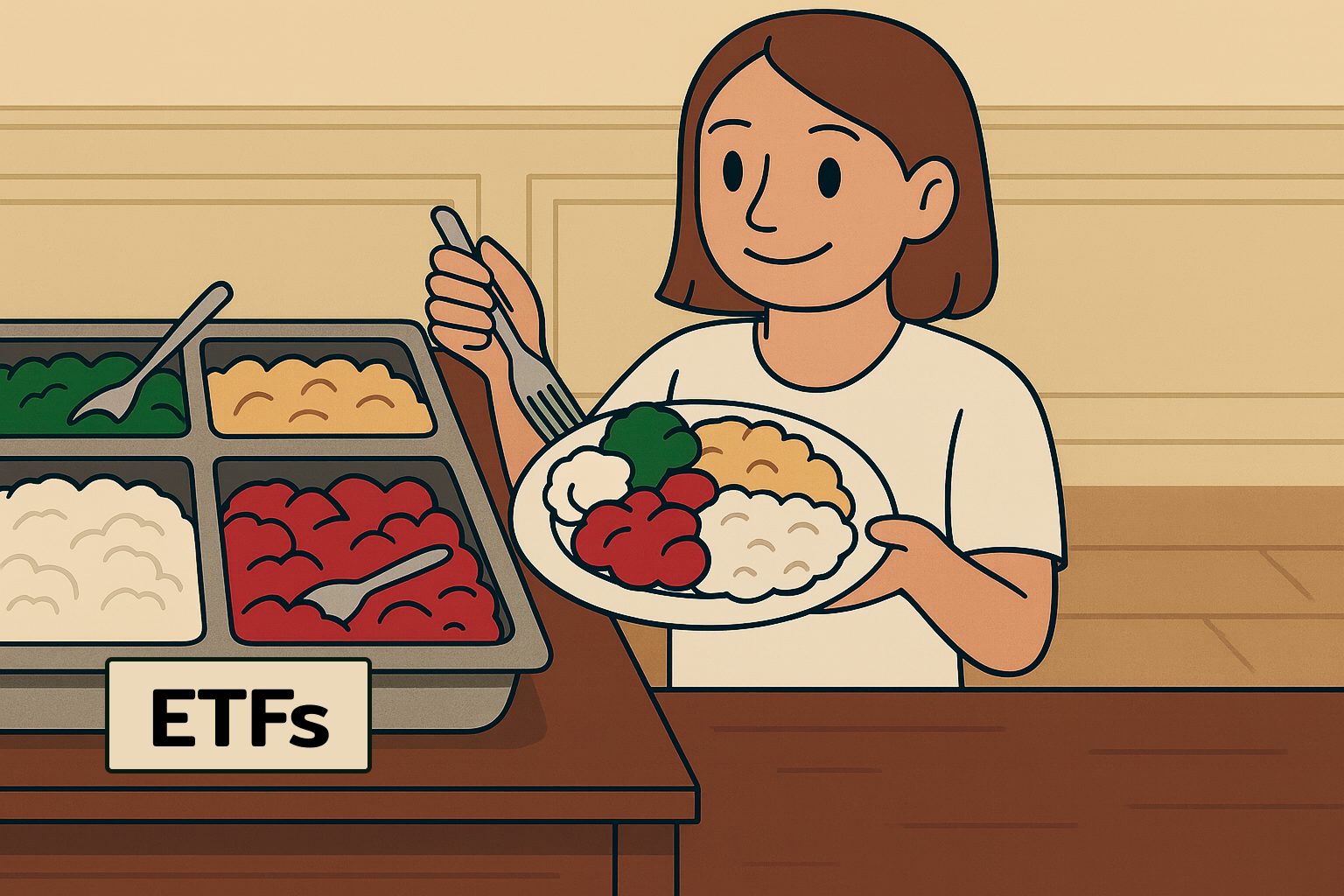
ETFs are like the nasi padang and cai png of investing - you get a little bit of everything in one neat package. Instead of buying individual stocks one by one, you buy a basket of them all at once.
Bond basics guide
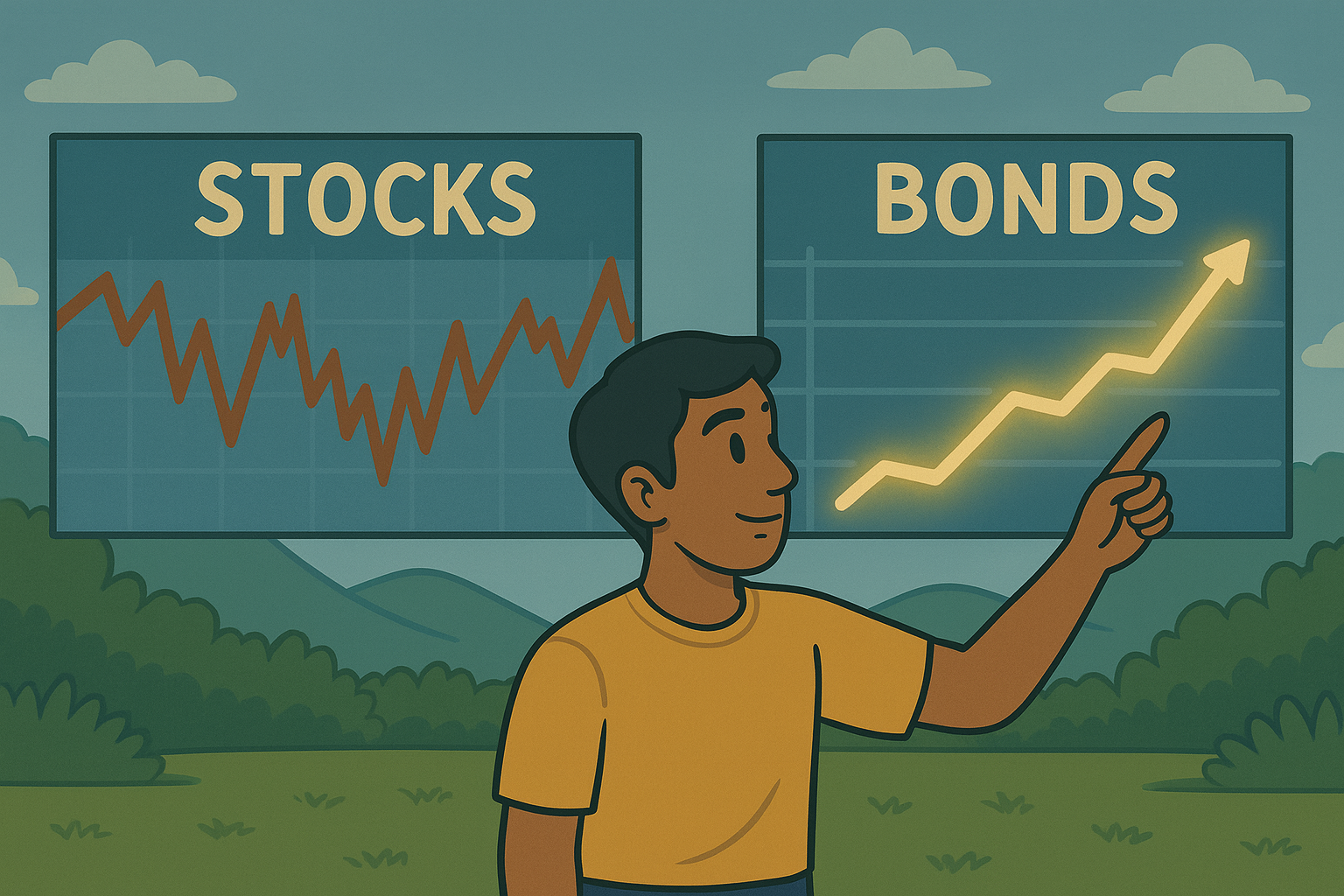
When you buy a bond, you're not owning a company; you're lending money to one. Think of it like this: stocks make you a part-owner, but bonds make you a lender.