Why investing early matters
30 October 2025
7 min read
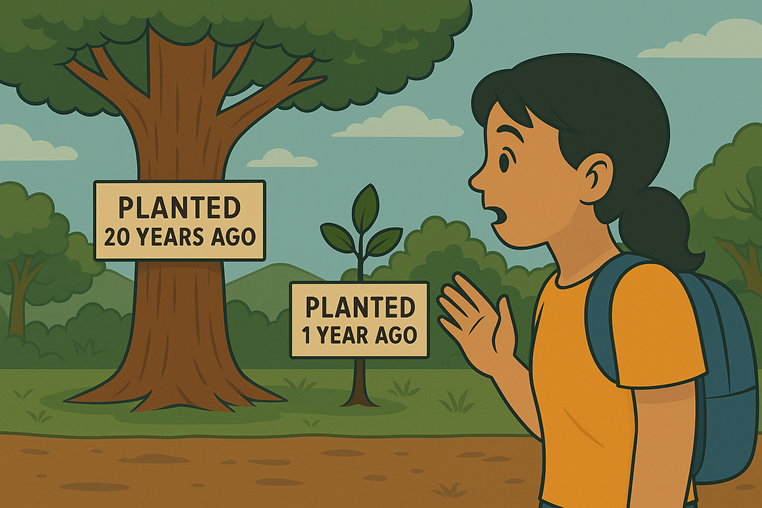
Saving is a good start, but if you’re only parking your money in a regular savings account, inflation is quietly chipping away at it. Essentially, your $10 today won’t buy you the same thing in the future. That’s where investing comes in.
What’s inflation, and why does it matter?
- Inflation means an increase in the overall level of prices in the economy. In other words, the prices of MRT fares, hawker meals, and healthcare creep higher each year.
- In Singapore, inflation in 2024 was 2.4%. That means if your money isn’t growing faster than that, it’s losing value.
- Most savings accounts give less than 1% interest, which is not enough to keep up.
Why investing matters:
- It helps your money grow faster
Investments like ETFs, or Singapore Savings Bonds (SSBs) usually offer higher potential returns over the long term. - Compound interest is your superpower
Compound interest means your money earns interest, and that interest earns even more interest. The earlier you start, the more powerful this effect becomes. Imagine you set aside $1,000 into an investment - maybe it's a fund, maybe it's blue-chip stocks, or something else with decent long-term returns. Let’s say it grows at an average rate of 4% per year.- After the first year, your $1,000 becomes $1,040. Not bad.
- By year two, you’re earning returns not just on the original $1,000, but also on that extra $40. So, you end up with $1,081.60.
- Fast forward 5 years, and your money grows to about $1,217, even though you haven’t topped it up.
- Here’s where it gets interesting. If you leave it alone for 20 years, that same $1,000 could grow into over $2,190. That’s more than double, all from just staying invested and letting the gains snowball.
How early investing pays off:
- Time makes your money grow faster. This magic is called compound interest - it’s when your returns earn returns, and things snowball. Example: If you start investing $100 a month at age 20 and earn 6% interest yearly, you’d have about $130,000 by age 55. But if you start at 30 with the same amount? You’d end up with about $66,000. That 10-year head start doubled your money, and all you did was start earlier.
- You can take more risks (safely). When you're young, you've got more time to ride out ups and downs. That means you can go for investments that grow more over time, like stocks, instead of having to play it safe. Example: Let’s say you invest in stocks at 23, and the market drops the next year. No need to panic, you’ve still got 30+ working years to wait it out and even buy more when prices are low. But if you only start at 45, you might not have enough time to bounce back before retirement.
- It takes the pressure off later. Early investing helps you build a solid base, so you’re not panicking at 40 about retirement or struggling to buy your first HDB flat.
Investment basics: What you need to know
- Returns:
This is the profit you make. It can come from price gains (buy low, sell higher), dividends (regular payouts), or interest. - Risk:
All investments come with risk, even ‘safe’ ones. Risk means you could lose money, especially in the short term. Higher potential returns typically mean higher risks. To manage your risks, diversify, or invest in different types of investments with different risk levels.How much risk should you take on? That depends on a few key things:
- Your current and future commitments. Got big expenses coming up, like uni fees or a home renovation? You’ll want to stay liquid and stick with lower-risk options like Singapore Savings Bonds, which you can cash out easily.
- Your investment horizon. If you’re investing for the long haul (like saving for retirement), you have more time to ride out market ups and downs. That means you can consider slightly riskier assets with better growth potential.
- How much you can afford to lose. Never invest money you can’t afford to see dip, especially if you’ve got loan payments, wedding plans, or family goals riding on it.
- Types of investments:
| Type | Risk Level | Growth Potential | What to know |
|---|---|---|---|
| Stocks — Buying shares of a company | High | High | It can grow a lot over time, but prices can swing sharply. Best for long-term goals. |
| Bonds — Lending money to a company or government | Low to Medium | Low to Medium | More stable than stocks, but usually lower returns. Good for a steady income. |
| Exchange-Traded Funds (ETFs) — A bundle of investments (like stocks or bonds) sold as one | Medium | Medium to High | Diversified by default, so less risky than single stocks. It can still grow well over time. |
| Real Estate Investment Trust (REITs) — Investing in property through the stock market | Medium | Medium | Owns malls, offices, or other real estate. Pays dividends, but prices can still move with the market. |
Start slow, learn fast: You don’t need to be an expert to begin. Many young investors start with Singapore Savings Bonds. The key is to be consistent and stay curious.
You might be lured by the potential of eye-watering returns. But the reality is how much you profit depends on how much of that investment you hold. And potentially high returns mean high risks, which means you must be prepared to lose the amount you put in. If you want to dip your toes in it, fine, but don’t bet the house!

Was this helpful?
Leave a feedbackRelated articles
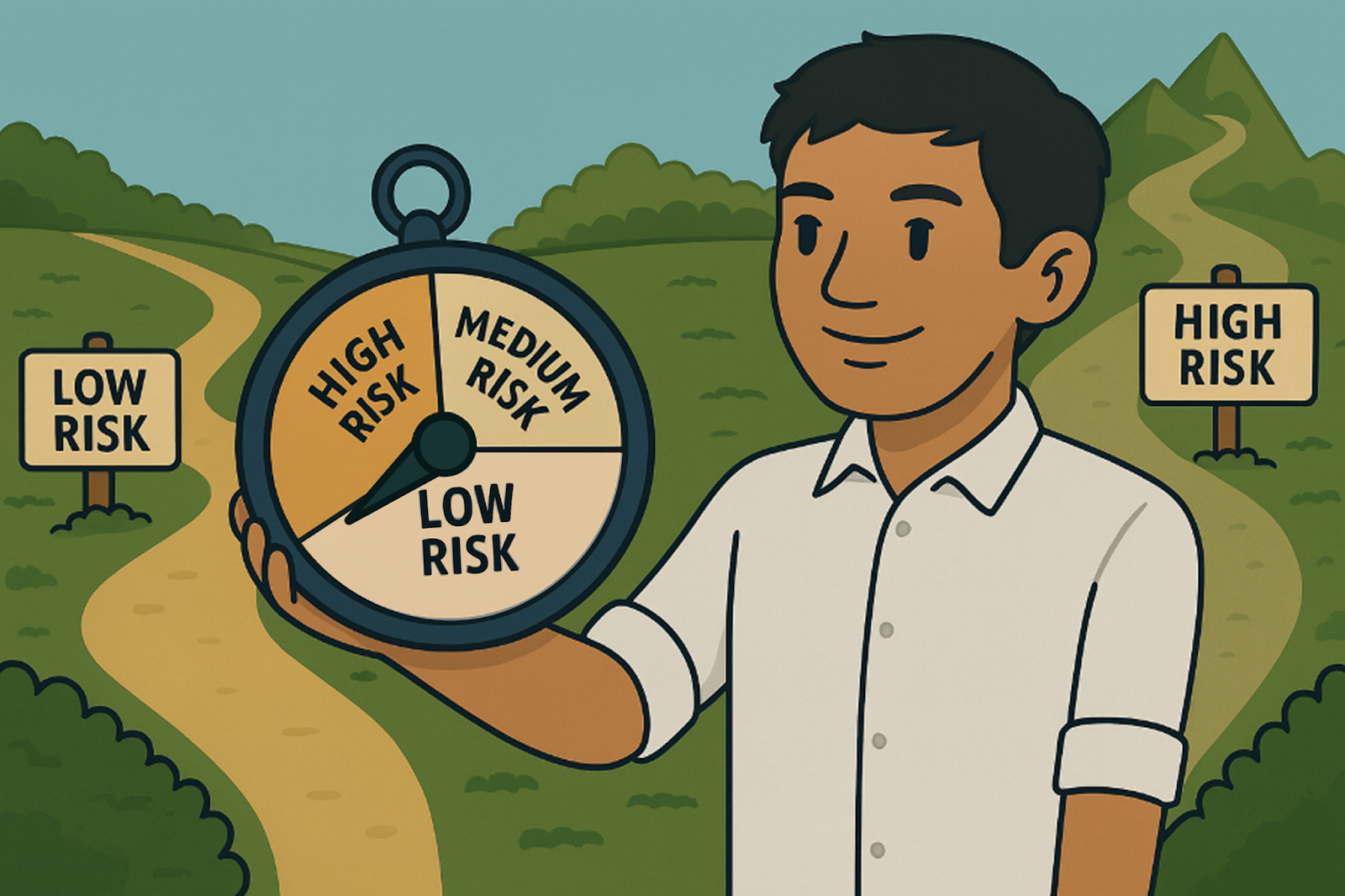
Know your investor profile
Not all investors are the same. Some people love taking big risks for potentially big rewards, while others prefer slow, steady growth with less stress. Knowing your investor profile helps you choose investments that match your comfort level and goals.
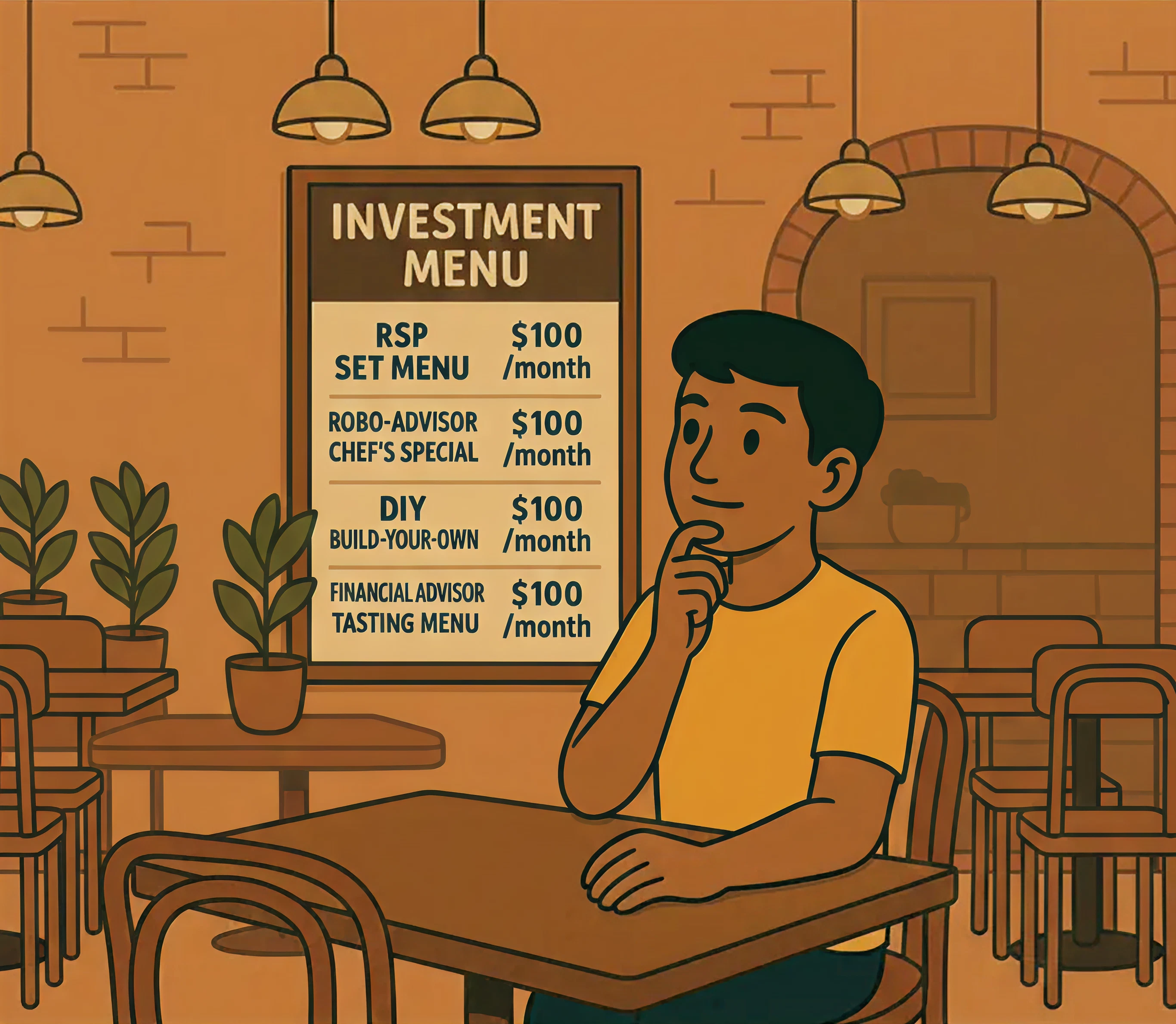
Start investing your way — from just $100/month
When you're ready to start investing, the next big questions you might ask are: 'How?' and 'What if I only have $100 a month?' Whether you prefer doing it yourself or letting an app handle it for you, there are plenty of beginner-friendly ways to invest consistently without stress.
Open your first brokerage account
Ready to invest but not sure what accounts you need? Don't worry, setting up your first investment account in Singapore is easier than it sounds. You just need the right combo: a CDP account and a brokerage.