50/30/20 Rule for budgeting
06 October 2025
3 min read

Now that you know the importance of budgeting, does it mean you can set a budget whichever way you like? Well, you could technically do that, but a popular and effective method, even amongst financial experts, is the 50/30/20 rule.
The rule goes like this:
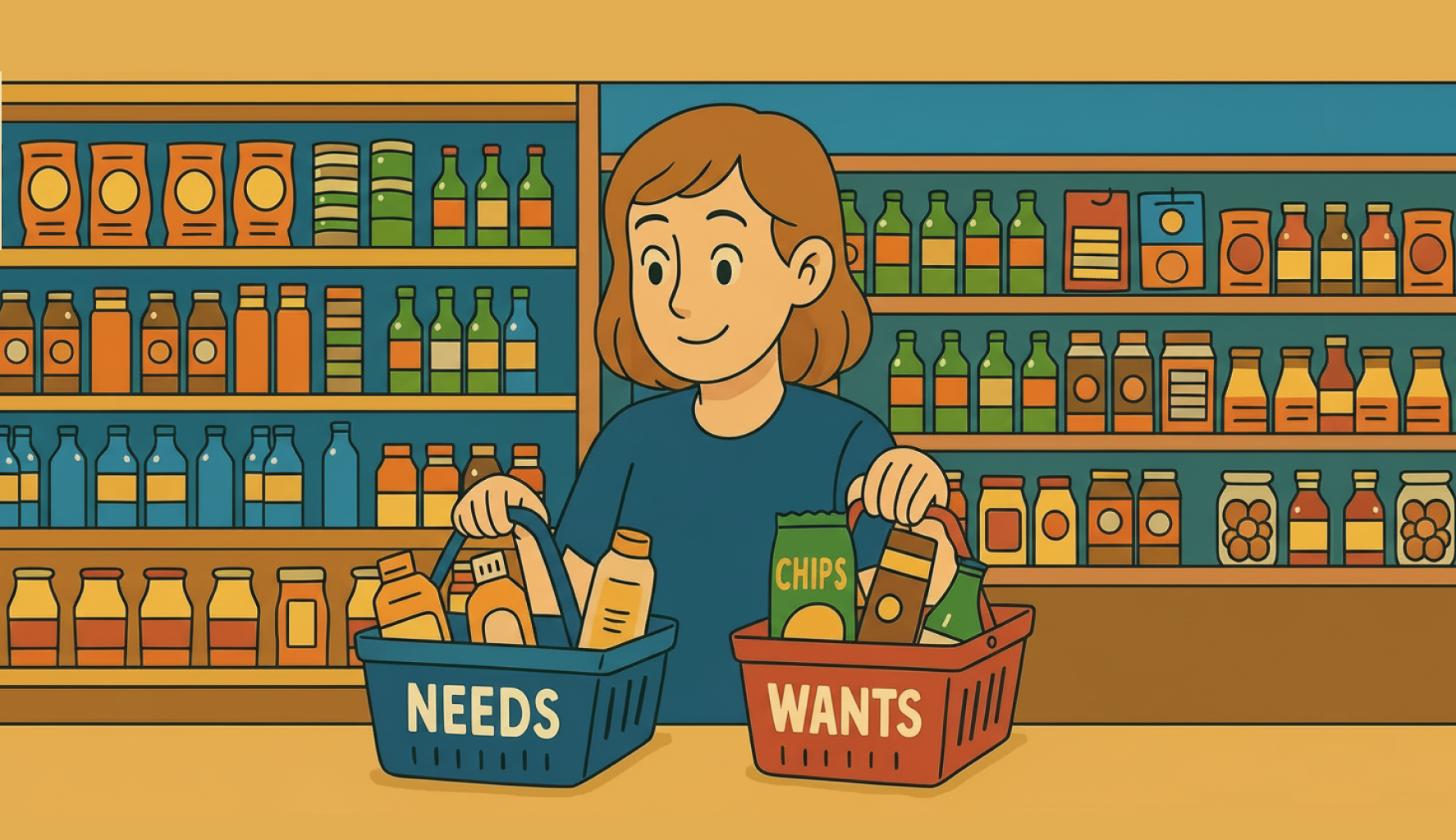
- 50% Needs: essential things that you must spend money on
- 30% Wants: things you like but don’t need
- 20% Savings/Investments
Examples
| Ages | Take-Home Pay / Allowance | Needs (50%) | Wants (30%) | Savings / Investments (20%) |
|---|---|---|---|---|
| 15–19 | $800 | $400 on needs: Food, transport, phone bill | $240 on wants: occasional fast food, small treats, some new clothes | $160 in savings |
| 20–24 | $3,000 | $1,500 on needs: Groceries, bills, taxes, insurance premiums | $900 on wants: dining out, new clothes, subscriptions, occasional Grab rides, movies | $600 in savings and investments |
| 25–29 | $4,500 | $2,250 on needs: Rent/mortgage, allowance to parents, groceries, bills, taxes, insurance premiums | $1,350 on wants: dining out, concerts, new outfits/tech, subscriptions | $900 in savings and investments |
| 30–35 | $5,500 | $2,750 on needs: Mortgage, groceries, bills, taxes, insurance premiums, child’s daycare/school fees | $1,650 on wants: dining out, subscriptions, new outfits/tech, enrichment classes for kids | $1,100 in savings and investments |
While the 50/30/20 rule is useful, it may need to be tweaked to better suit your current circumstances. Some of you could get away with spending only 30% of your income on needs, and thus, save a lot more, while others may need to spend more than 50% of their paycheck on needs.
Whatever your circumstances, it’s important to see the 50/30/20 rule as a guide, and you should aim to allocate your income to needs, wants and savings/investments on a monthly basis even as you increase your income.

Was this helpful?
Leave a feedbackRelated articles

Best ways to track your spending
How to budget based on needs vs wants
While the 50/30/20 rule tells you how to allocate your income every month, it doesn't tell you how to distinguish between 'Needs' and 'Wants'. Here's how you can think about it.