Planning Budgeting
How to budget for your goals
23 October 2025
8 min read
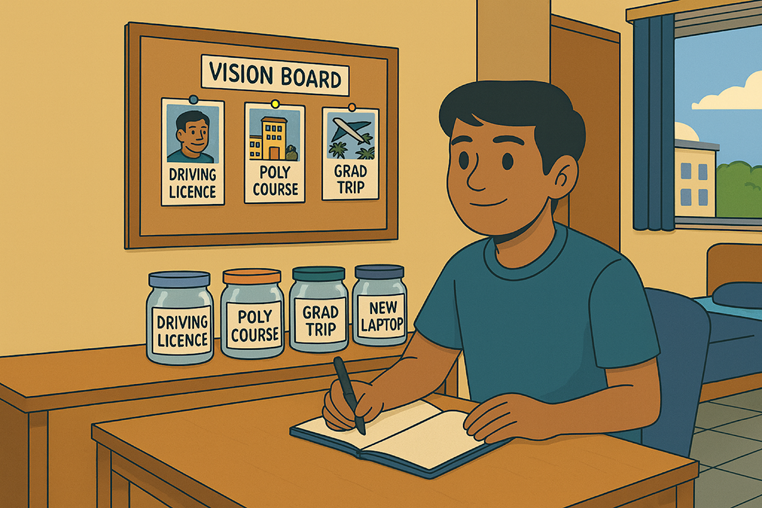
We’ve talked at length about ‘Wants’ vs ‘Needs’, and how to manage your ‘Wants’ spending. What about budgeting for your goals? What do you do? Big goals can feel scary or far away. But breaking them down into small, doable steps makes them real and achievable.
There are 2 ways to do this:
- Create a separate category in your budget for the goal, such as by tweaking the 50/30/20 rule. For example, you can retain 50% for ‘Needs’ and 20% for ‘Savings/Investments’, but split 30% for ‘Wants’ into 10% for ‘Specific goal’ and 20% for ‘Wants’; OR
- Channel part or all of 20% savings to the goal, after you have set aside at least 3 to 6 months’ worth of expenses as an emergency fund.
When it comes to saving for a specific goal, here are some steps to take.
- Define your goal and costs: What is it? What’s the cost and deadline?
- Break down the costs: How much do you need to save weekly/monthly to attain this goal?
- Evaluate the affordability of your goal:With your current income, is this something you can reasonably save for? If not, what can you do to afford it without going into debt?
- Open a separate account: Keep your savings out of sight (and out of mind).
| Ages | (1) Define Your Goal and Costs | (2) Break down the costs | (3) Evaluate affordability | (4) Open a separate account |
|---|---|---|---|---|
| 15-19 | I’d like to buy a pair of new sneakers before school starts in January next year. The sneakers cost $150. | I’m starting in August, and I have 5 months to save $150. This means that I need to save at least $30 a month. | I get $280 a month from my parents, which covers basics but not much else. To save for the sneakers, I'm planning to work part-time on Sundays and earn around $80 each week. That way, I can reach my goal and set aside a bit for emergencies too. | I’ve opened a high-interest savings account and automated a transfer of my entire monthly pay cheque to that account. |
| 20-24 | I’d like to attend ABC’s concert this August. The best seat in the house is gonna cost $400, and tickets go on sale in May. | I’m starting in January, so I have 5 months to save $400. | I take home $3,000 a month and always save at least $600. For the next 3 months, that goes straight to my emergency fund. After that, I’ll set aside $400 for a concert and put the rest into my investment account. | I have a high-interest savings account for my emergency funds, and created another sub-account for the concert. I will also open an investment account with a robo-advisor for my investments. |
| 25-29 | I’d like to head to Bali in June next year for a week. I need to save $3000 by March next year. | I’m starting in August, and I have 8 months to save $3000. This means that I need to save at least $375 a month. | I earn $4,500 a month and already have a full emergency fund. I’m still saving 20%, which is $900: $400 goes to my Bali trip fund, and $500 into investments. | I’ve opened a high-interest savings account and automated a $400 transfer to that account every month from my salary. I am also putting money into my Brokerage account and my CPF Special Account. |
| 30-35 | My 4-room BTO flat is gonna be ready in 2 years’ time. I’d like to save $50,000 for the renovations. | I’m starting this month, and I have 24 months to save $50,000. This means I need to save a little more than $2,000 a month for renovations. | I earn $6,000 a month and already have six months of emergency savings. I used to invest $1,200 monthly, but as the sole breadwinner, I can’t cut too much. So, I’m aiming for a simpler $30,000 reno by saving $1,500 a month. To manage that, I’ll pause investing and trim $300 from my ‘Wants’. | I’ve opened a high-interest savings account and automated a $1,500 transfer to that account every month from my salary. |
You might have a few concurrent saving goals, but whatever they may be, the principles still apply. When you can responsibly save for your goal(s), it’ll help keep you out of debt, and your future self will thank you.

Was this helpful?
Leave a feedbackRelated articles
Planning Budgeting
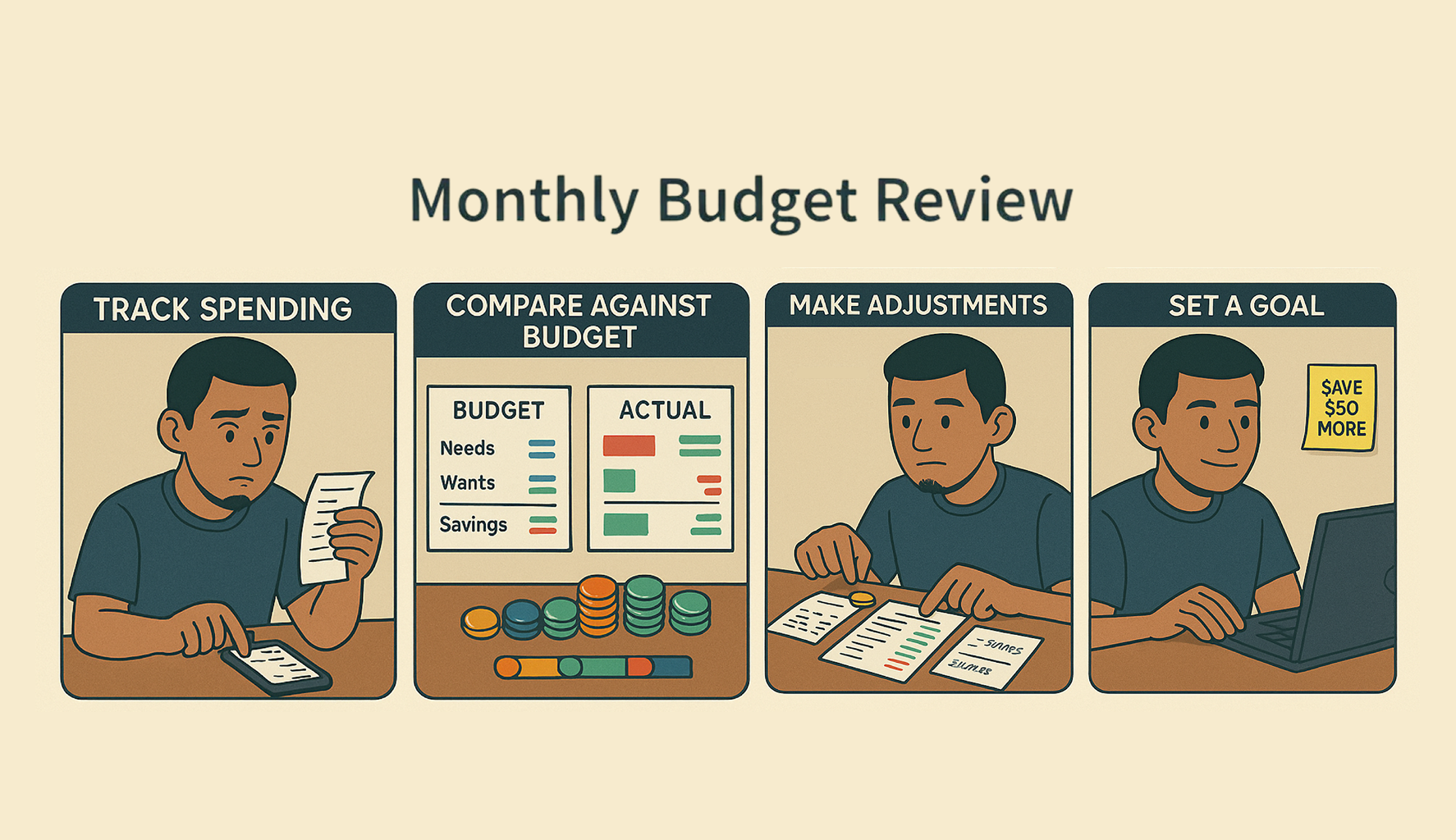
How to review your budget every month
It's tempting to set your budget once and be like, 'K, good enough.', but you shouldn't do that. A budget is a living plan.
Smart Spending
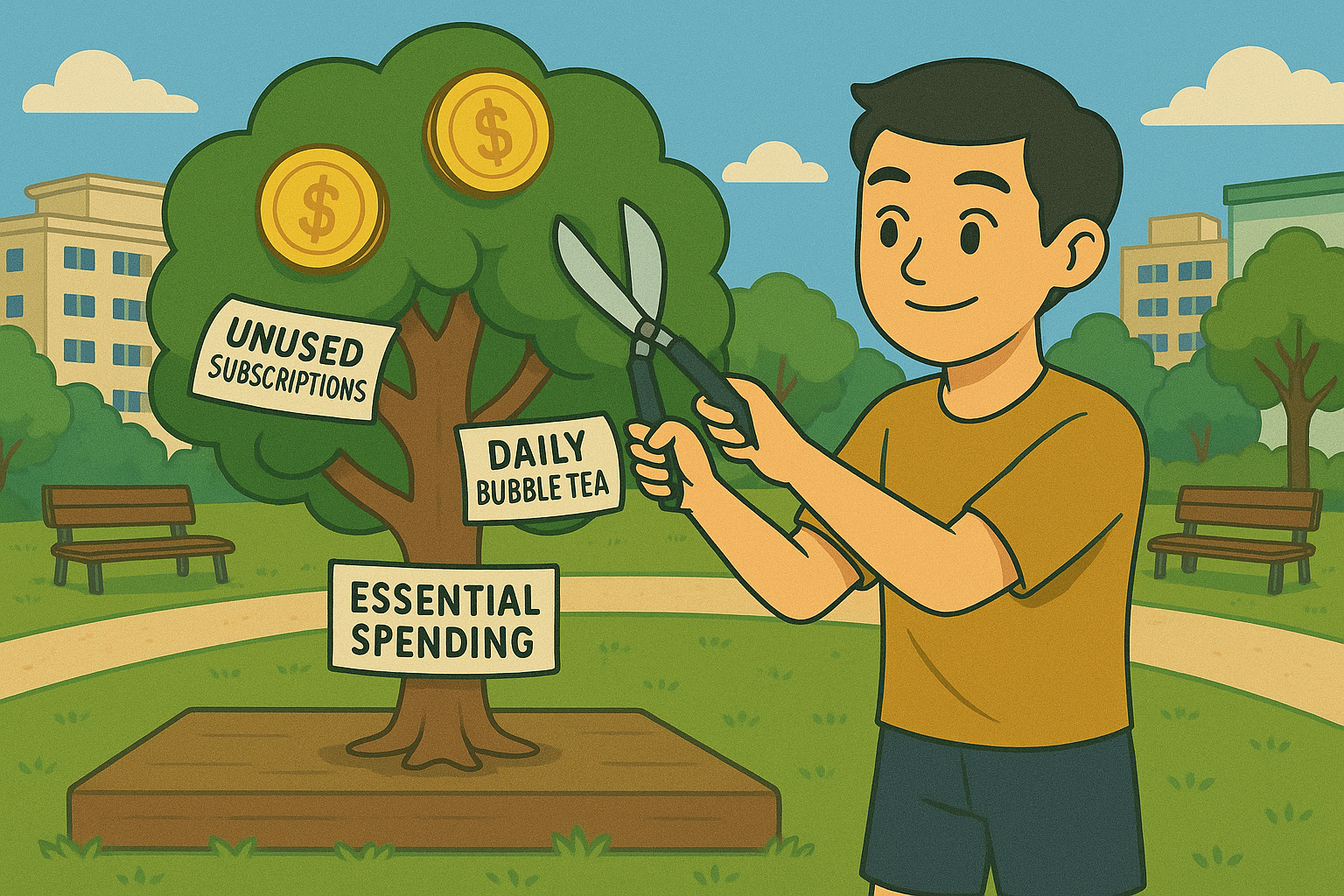
How to spend consciously and cut wasteful expenses
Despite trying to cut out unnecessary expenses, you find yourself struggling to stay within your budget. If that's the case, then you haven't been spending consciously.

Smart Spending
Smart ways to save using discounts, promos, and instalment plans
In spite of your best efforts, you might not be 100% there in terms of managing your spending.