
Analyses global shipping and freight markets, commodity demand and trade flows, as well as economic developments to provide actionable insights to support commercial decisions. Translates complex data into clear, actionable insights and reports for stakeholders.
Research Analyst Manager Job Description
- Analyse drivers of commodity production trends, fleet supply dynamics, and the impact of geopolitical events on freight and global shipping markets.
- Deliver market presentations to provide timely updates on significant trade developments and summarising key insights that may affect freight rates and chartering decisions.
- Develop and maintain proprietary databases covering commodity prices (oil, iron ore, coal, grains, steel), macroeconomic indicators, fleet analysis, and trade flow data.
- Formulate trading strategies including Forward Freight Agreement (FFA) trading ideas, and develop KPIs for key trade routes to support the chartering team's commercial decisions.
Note
A maritime research analyst translates complex data from multiple sources to optimise the movement of vessels and commodities that build, feed and power the world.
A day in the life

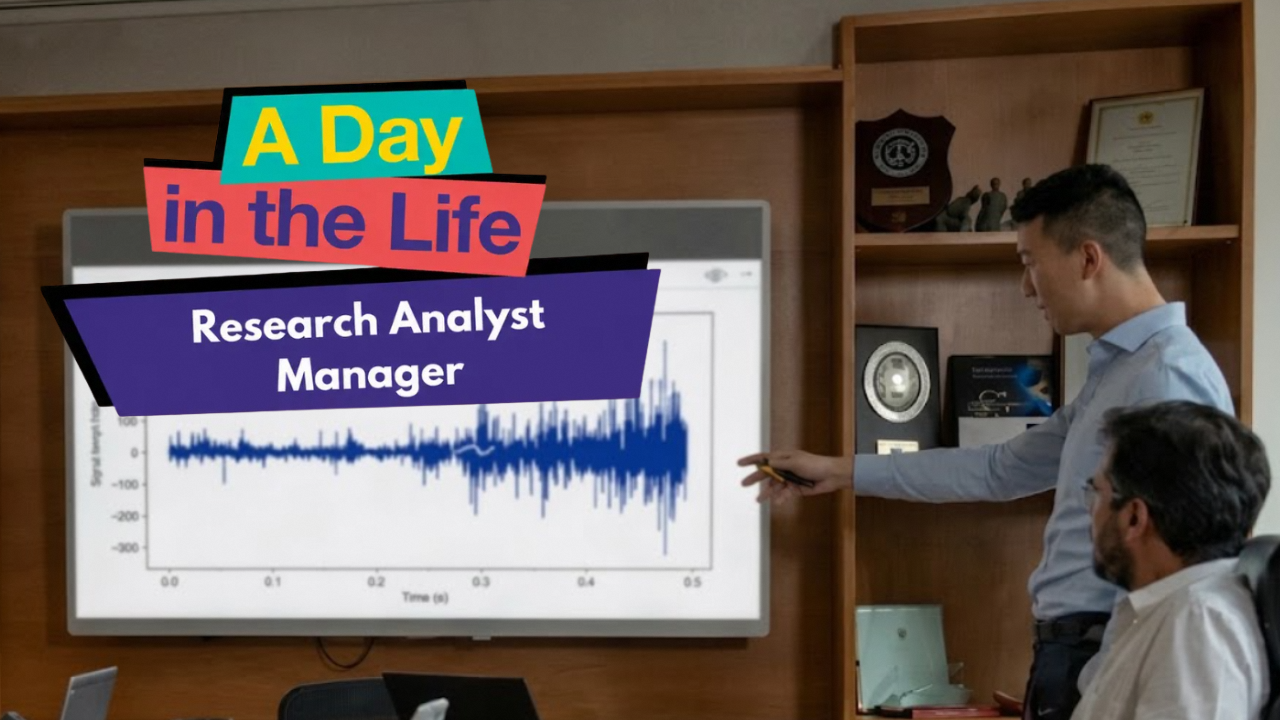

Research Analyst Manager (Maritime)
Fang Yi uses real-time data to unlock smarter decisions, turning insights into impact.What you should know about Research Analyst Manager jobs in Singapore

Nature of Work
You deconstruct complex data such as global commodity flows, freight markets, and fleet data into actionable insights for commercial and trading strategies.
Key Advice
When condensing complex data, critical and strategic thinking is key in the fast-changing nature of freight and commodity trading.-
Entry RequirementsEntry Requirements
- Bachelor’s degree in Business, Finance, Economics, Maritime Studies, or a related field.
- Prior experience in research, market analysis, or commodity trading and strong analytical and quantitative skills are essential.
-
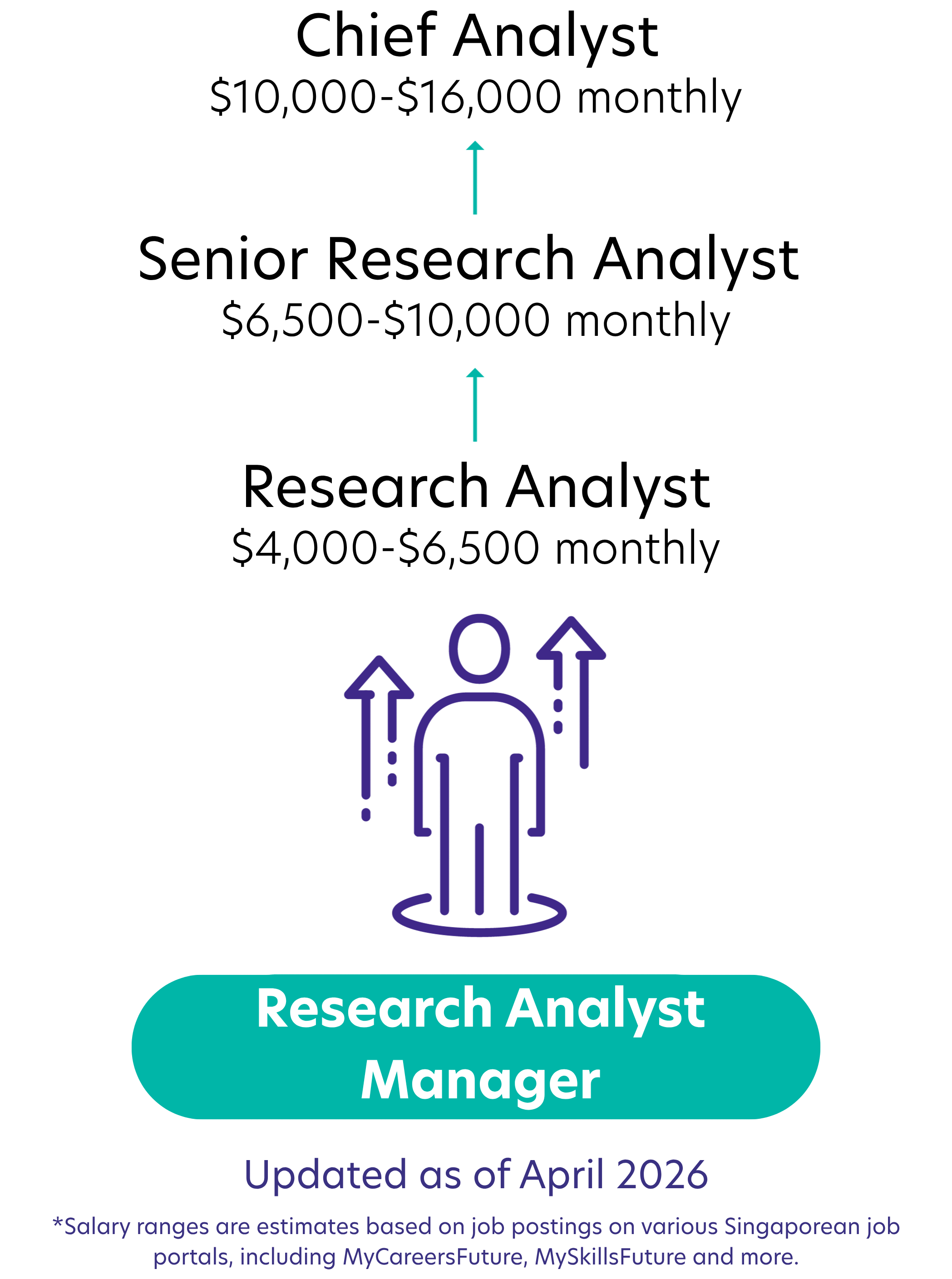
Possible PathwayPossible Pathway
Skills you need to pursue a Research Analyst Manager career in Singapore
 Hard Skills
Market Research and Analysis
Ability to conduct fundamental and quantitative analysis of shipping markets, including supply-demand dynamics, trade flows, global macro-economics and commodities price movements.Data Management and Visualisation
Proficiency in Excel, Python, or BI platforms for data analysis and projection of quantitative trends.Knowledge of Financial Instruments
Understanding of maritime financial products such as Forward Freight Agreements (FFAs), freight derivatives for hedging and trading strategies. Soft Skills
Critical Thinking
Strong ability to distil complex data into insights for decision makingCommunication
Strong oral and written communication ability to present data-driven insights to convince stakeholders with authority to act.Curiosity
An inquisitive mind, interest in world affairs, and adept at navigating ambiguous, fast-moving environments to drive strategic understanding.Related Job Roles


Explore Other Programmes
Browse All
IN-PERSON
Tue, 14 Jul 2026
9:00AM - 5:00PM

IN-PERSON
Wed, 15 Jul 2026
9:00AM - 5:00PM






HYBRID (ONLINE & IN-PERSON)
Fri, 31 Jul 2026
11:59PM - 11:59PM

You have bookmarked your first item!
Find it in My Discoveries with insights on your interests!